
A Guide to Choosing The Best Timber for Your Outdoor Space

Designing an inviting outdoor space is about more than just aesthetics. It’s about durability and resistance, practicality, and selecting the timber that can tolerate the elements. Whether you’re building a deck, outdoor furniture, or any outdoor construction project, choosing the right wood is essential to ensure your investment lasts for years.
This guide will explore the key factors in choosing timber, compare popular timber species, and provide insights to help you select the right material for your timber deck, furniture, and other outdoor applications.
Why Choosing the Right Timber Matters
Timber exposed to outdoor conditions, weather, moisture, and insects can deteriorate quickly if the wrong species is used. Selecting durable wood ensures your deck or furniture remains stable, resists warping, and maintains its appearance over time. Beyond practicality, timber also brings natural beauty, enhancing the atmosphere of your outdoor area.
When planning an outdoor build, it’s important to consider durability, maintenance requirements, and whether the timber is ethically sourced. When you opt for sustainably sourced timber, you support responsible forestry and often ensure better quality.
Top Timber Options for Outdoor Durability
Not all timber is created equal. Some species are naturally hard-wearing, while others need treatment to handle exposure. Here’s a breakdown of popular choices for the best timber suited for outdoor use:
Hardwood Choices
Hardwood is prized for its strength and longevity. It is ideal for high-traffic areas like decks and seating.
- Merbau: This dense wood is resistant to termites and decay. Its warm tone and fine grain make it a standout for both decking and furniture.
- Spotted Gum: Highly durable and naturally resistant to the elements, this timber works well in areas with extreme weather conditions.
- Teak: Known for its longevity and low-maintenance qualities, teak performs exceptionally well for outdoor furniture and decking, offering natural resistance to moisture and sunlight.
Softwood Choices
Softwood is lighter and easier to work with, but it generally requires treatment for longevity.
- Pine: When treated, pine is a popular choice for outdoor structures and decks. It is cost-effective, versatile, and suitable for DIY projects.
- Other softwoods: Can also perform well outdoors if treated properly, though they may need regular maintenance to protect against rot and warping.
Key Factors to Consider When Choosing Timber
Selecting the right timber involves more than appearance. Here are some important aspects to weigh:
- Durability and resistance: Hardwoods generally last longer and resist decay, while softwoods require protective treatment to maintain stability.
- Maintenance: Some timber types require sealing or staining to prolong their lifespan, while others, like teak, need minimal upkeep.
- Appearance: Grain, colour, and texture affect the visual impact of your deck or furniture. The right timber can complement your design and enhance the overall aesthetic.
- Environmental Responsibility: Opting for responsibly harvested timber ensures you support sustainable practices while enjoying quality material.
- Intended Use: Consider whether your timber will face heavy foot traffic, exposure to moisture, or strong sunlight. This will influence your choice.
Choosing Timber for Specific Outdoor Projects
Timber Decking
For a timber deck, hardwood and softwood options are both viable:
- Best timber for decking often includes merbau, spotted gum, or treated pine.
Consider resistance to decay and whether the timber can withstand UV rays and moisture.
Decking project success depends on selecting a timber type suited for outdoor use, easy to work, and that enhances your outdoor living space.
Outdoor Furniture
When building outdoor furniture, aesthetic appeal, durability, and ease of maintenance are crucial:
- Teak or merbau are best timber for outdoor furniture due to natural resistance to decay and minimal maintenance.
- Softwood can be used if properly stained and sealed for weather protection.
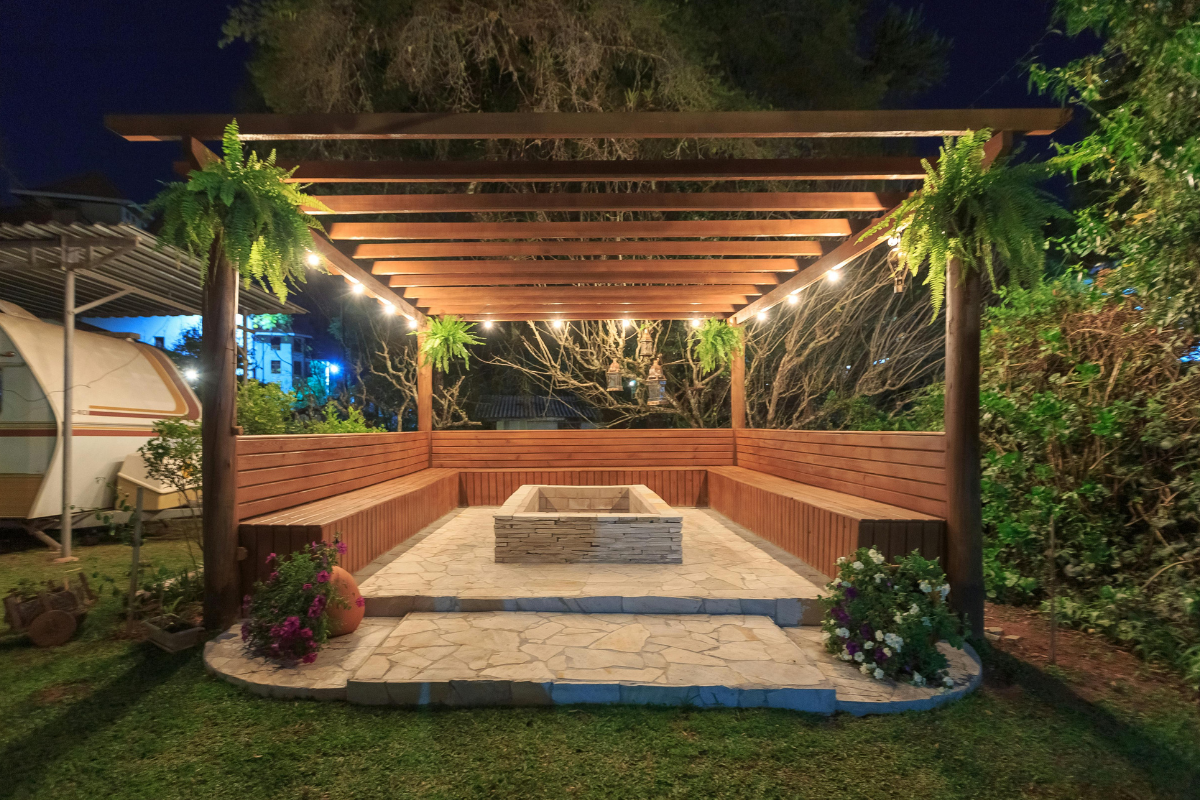
Outdoor Structures and Living Spaces
For outdoor structures like pergolas, gazebos, or fences, hardwood and treated softwood both have a place:
- Selecting timber that is suited for outdoor use ensures your structure withstands weather, UV rays, and termite attacks.
- Choosing the right timber is also about lifespan, so durability and resistance are non-negotiable.
Tips for Choosing the Best Timber
- Test durability: Ask your supplier about expected lifespan and resistance to decay.
- Inspect for defects: Avoid timber prone to warping or with uneven fibres.
Match conditions: Choose species suited to your region’s climate and environmental exposure. - DIY or professional: Consider ease of handling if you’re building the project yourself.
Why Timber Remains a Top Choice
Timber’s natural warmth, versatility, and durability make it an excellent material for decks, furniture, and other outdoor builds. With the right species and proper care, it can last for decades, maintaining both function and beauty. Thoughtful selection ensures your investment pays off in longevity, low maintenance, and visual appeal.
Conclusion on Choosing the Best Timber for Outdoor Spaces
Selecting the best timber for your deck, furniture, or other outdoor builds is about balancing durability, maintenance, and design. Hardwood and treated softwood offer different benefits, but both can create stunning, long-lasting results when chosen thoughtfully. By considering the qualities of each species and how it fits your project’s needs, you can create an outdoor area that is both beautiful and built to last.

Related articles

Blog title heading will go here
Blog title heading will go here