
How to Choose Bushfire-Resistant Timber for Australian Homes
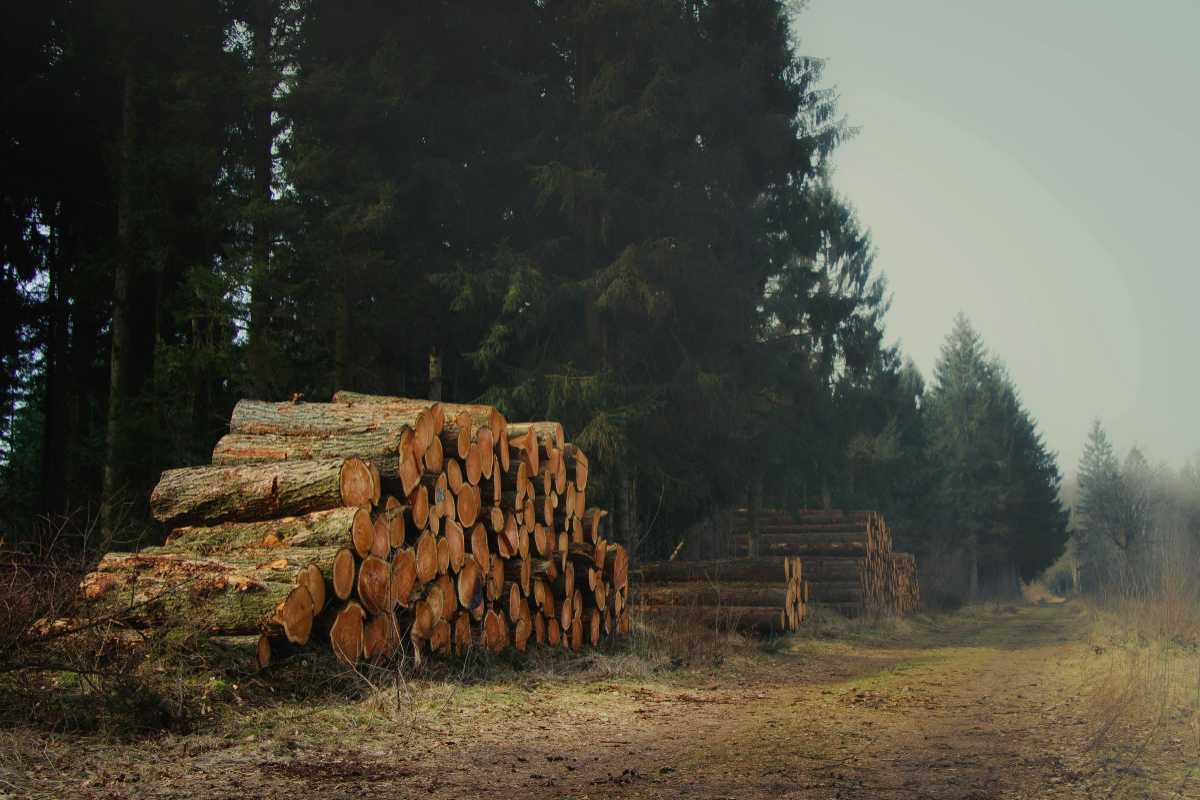
Building or renovating in a bushfire-prone area comes with critical decisions, and choosing the right timber is one of the most important. Not all materials are equal when exposed to a bushfire attack, and selecting the wrong option can put your home at risk. This guide explains how to choose bushfire resistant timber, understand BAL ratings, and meet compliance requirements so your build is both safe and durable.
What Is Bushfire-Resistant Timber?
Bushfire resistant timber refers to specific timber species that can withstand the effects of a bush fire, including radiant heat, ember attack, and even limited direct flame contact. While all natural timber is technically combustible, certain dense hardwood timber varieties perform significantly better under fire conditions.
These australian hardwoods burn at a more predictable rate, resist ignition, and are often classified as bushfire-resisting timber under the australian standard as 3959.
Understanding BAL Ratings and Why They Matter
Before selecting materials, you need to understand your property’s bal rating. BAL stands for bushfire attack level, which measures the severity of a potential bushfire attack based on factors like vegetation, slope, and proximity to surrounding fuel sources.
The main BAL categories include:
- BAL–19: Moderate ember attack and radiant heat
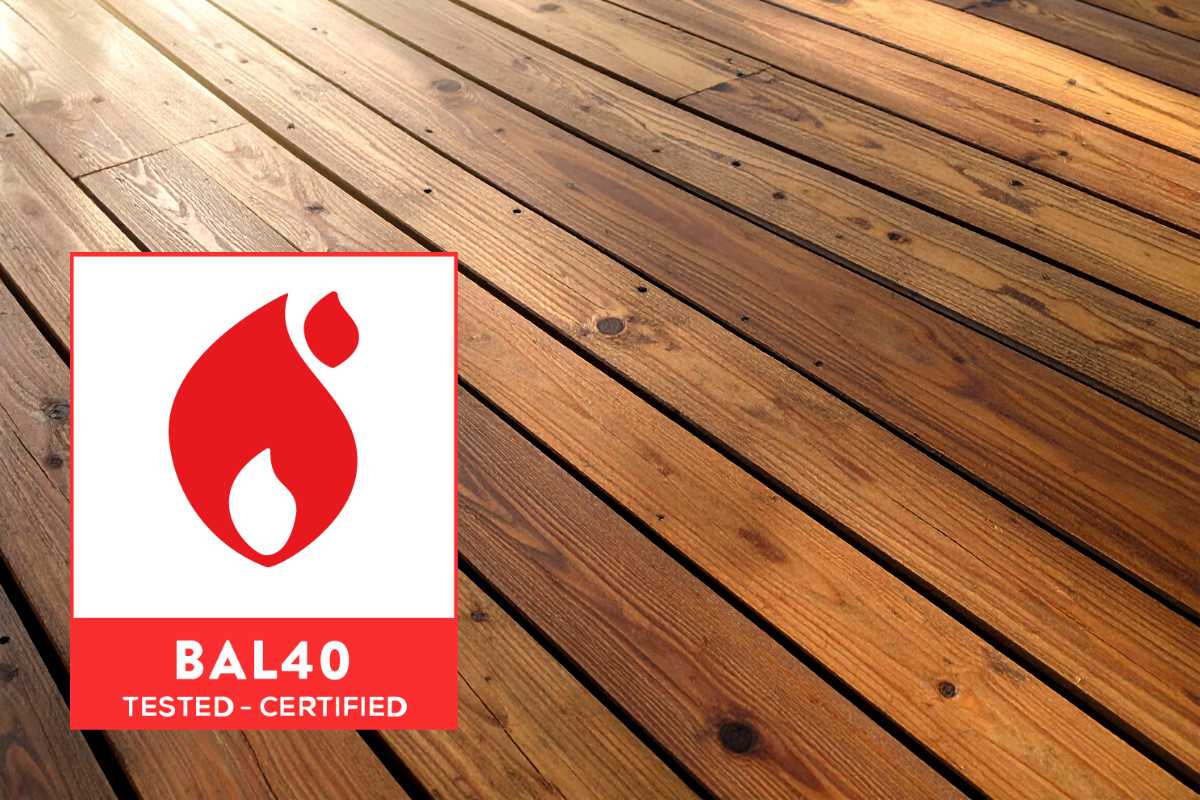
- BAL-40: High levels of heat and increased risk of direct flame contact
Your specific bal determines the required construction methods, material selection, and level of bal compliance needed for buildings in bushfire-prone areas.
A professional site assessment is essential to accurately determine construction requirements.
The Role of AS3959 in Timber Selection
The australian standard for construction of buildings in bushfire-prone areas, known as as3959 or 3959, sets the benchmark for safe building practices.
This standard outlines:
- Approved bushfire-resisting timber species
- Requirements for external walls, roof, and floor
- Guidelines for cladding, lining, and glazing
- Performance expectations under fire testing
Within appendix e and table e1, you’ll find a list of bushfire-rated timbers deemed compliant without additional fire-retardant treatment.
Best Timber Species for Bushfire-Prone Areas
Choosing the right timber species is key when building with timber in bushfire-prone environments. Dense hardwood varieties are typically preferred due to their strength and fire performance.
Top options include:
- Spotted gum: Known for high durability and excellent resistance to ember exposure
- Blackbutt: A popular choice across nsw, offering strong fire-resistant properties
- Ironbark and red ironbark: Extremely dense, making them highly resistant to ignition
- Jarrah: Durable and reliable for structural and aesthetic applications
These australian hardwoods are commonly used for deck, cladding, and structural elements in buildings in bushfire prone areas.
Timber vs Non-Combustible Materials
While non-combustible materials like steel or fibre cement are often recommended, it is still possible to safely use timber in construction of buildings in bushfire zones.
The key is:
- Selecting bushfire-resisting species
- Following as3959 guidelines
- Ensuring proper bal compliance
In many cases, bushfire-resistant timber cladding can meet performance standards without sacrificing design.
Key Factors When Choosing Fire Resistant Timber
When selecting materials, focus on more than just species. Consider how each factor contributes to overall fire performance.
- Species density: Higher species density improves resistance to ignition
- Moisture content: Lower moisture content can increase fire risk if not managed properly
- Construction methods: Proper installation, including spacing and batten systems, reduces vulnerability
- Fire testing: Look for products that have undergone rigorous fire testing
- Product classification: Ensure materials meet e1 standards where applicable
Working with experienced architects and builders ensures your material selection aligns with both safety and design goals.
Where Timber Is Used in Bushfire Construction
Timber in bushfire-prone areas can be safely incorporated across multiple parts of a home when done correctly.
Common applications include:
- External walls using bushfire-resistant timber cladding
- Structural elements in the roof and floor
- Outdoor features like a deck
- Interior lining where permitted
Each element must meet the requirements for your specific bal and be installed according to the construction of buildings in bushfire-prone standards.
Building Safely with Timber in Australian Homes
Choosing the right bushfire resistant timber is about balancing safety, performance, and design. By understanding your bal rating, following Australian standard as 3959, and selecting proven hardwood timber species like spotted gum, blackbutt, or ironbark, you can confidently build a home that is both resilient and visually appealing.
With the right approach to material selection, expert guidance, and strict compliance, building or renovating in a bushfire-prone area becomes a far more manageable and secure process.

Related articles

Blog title heading will go here
Blog title heading will go here