
Prevent Mould Growth on Timber Decking and Protect Your Outdoor Space
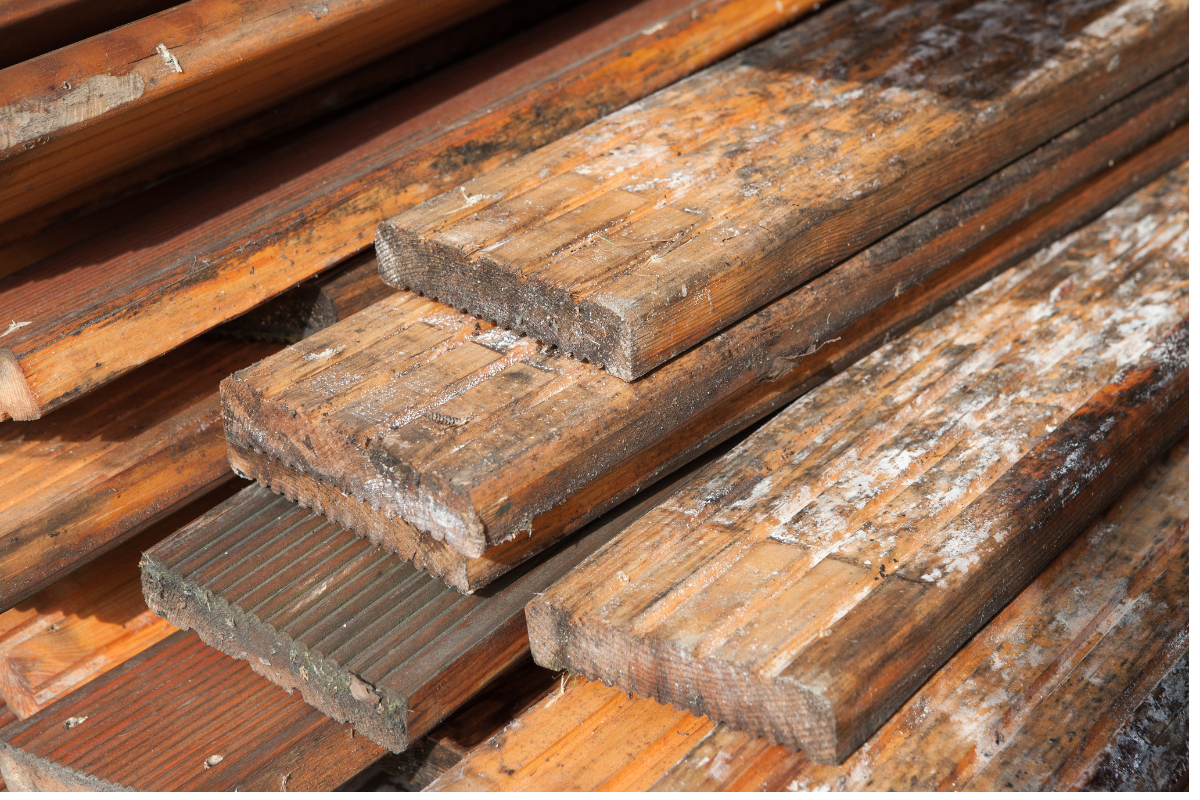
Timber decking adds natural beauty and functionality to any outdoor space. However, because timber is porous, it can be prone to mould growth, especially in humid or shaded areas. If you’ve noticed dark patches, green streaks, or slippery spots forming on your deck, it’s a sign that moisture is lingering and mould spores are taking hold.
Preventing mould growth on timber decking doesn’t have to be complicated. With consistent cleaning, proper protective treatments, and simple maintenance strategies, you can keep your deck safe, clean, and looking great all year round.
What Causes Mould Growth on Timber Decking?
Mould thrives where moisture meets organic material. Timber naturally absorbs water, and when combined with debris like leaves, pollen, or dirt, it creates the perfect environment for mould spores to settle and multiply.
Shaded areas, poor airflow, heavy rain, and humid climates all increase the risk of mould growth on timber decking. Hardwood or untreated wood decks are particularly susceptible, as they retain moisture longer than sealed or treated surfaces. Understanding these conditions is key to effective mould prevention.
Signs of Mould on Your Deck
Visible mould is usually easy to spot. Look for dark or green patches, slippery surfaces, or areas that stay damp longer than the surrounding timber. Early detection is important, as untreated mould can stain wood, degrade protective coatings, and continue returning even after cleaning.
How to Remove Mould from a Timber Deck
Start With Thorough Cleaning
Effective mould removal begins with a clean deck. Sweep away leaves, dirt, and organic debris that trap moisture. Removing surface debris not only makes cleaning easier but also reduces the likelihood of mould returning.
Choose the Right Cleaning Solution
For mild mould growth, a mixture of water and a gentle detergent is often sufficient. Apply the solution to affected areas and scrub with a stiff brush to lift the mould from the timber.
Natural alternatives such as white vinegar or tea tree oil diluted in water work well as mild mould inhibitors. For stubborn mould, a diluted bleach solution can be effective, but it should be used sparingly to avoid drying out or damaging the wood. When in doubt, check with your decking specialist before using stronger chemicals.
Pressure Washing With Care
Pressure washing can help remove mould, but high pressure can damage timber fibres. Use low pressure and keep the nozzle moving to clean effectively without harming the wood. Pressure washing should complement scrubbing and proper maintenance, not replace it.
How to Prevent Mould Growth on Timber Decking
Regular Cleaning and Maintenance
The most effective way to prevent mould growth is through consistent care. Sweep your deck regularly to remove debris and clean it every few months, especially after heavy rain or during humid periods. Regular cleaning prevents moisture from settling and reduces the risk of mould forming.
Apply Sealant or Decking Oil
Sealing your timber creates a moisture barrier that protects against mould growth. A quality decking oil or sealant reduces water absorption, preserves the wood, and helps maintain the deck’s appearance. Hardwood decking benefits most from regular treatments, which also protect against stains and general wear.
Improve Airflow and Drainage
Proper airflow helps timber dry faster and discourages mould growth. Avoid leaving furniture or planters on the deck for long periods, as these can trap moisture underneath. Ensure water drains freely and that surrounding plants are trimmed to allow sunlight to reach the deck.
Use Mould Prevention Products
You can also use mould inhibitors or prevention treatments every now and then to keep timber safe from spores. They’re especially handy in humid climates and work best alongside regular cleaning and maintenance.
Long-Term Care for Your Timber Deck
Preventing mould growth on timber decking is about building a routine, not relying on one-off cleaning. By cleaning regularly, using gentle pressure washing techniques, sealing the wood, and monitoring moisture, you can protect your outdoor space and extend the life of your deck.
If mould keeps coming back, it’s worth checking in with a decking specialist. They can look at drainage, the condition of your timber, and suggest the right treatments. With the right care, your deck can stay clean, safe, and enjoyable for years.

Related articles

Blog title heading will go here
Blog title heading will go here