
The Benefits of Structural Pine and Timber in Construction
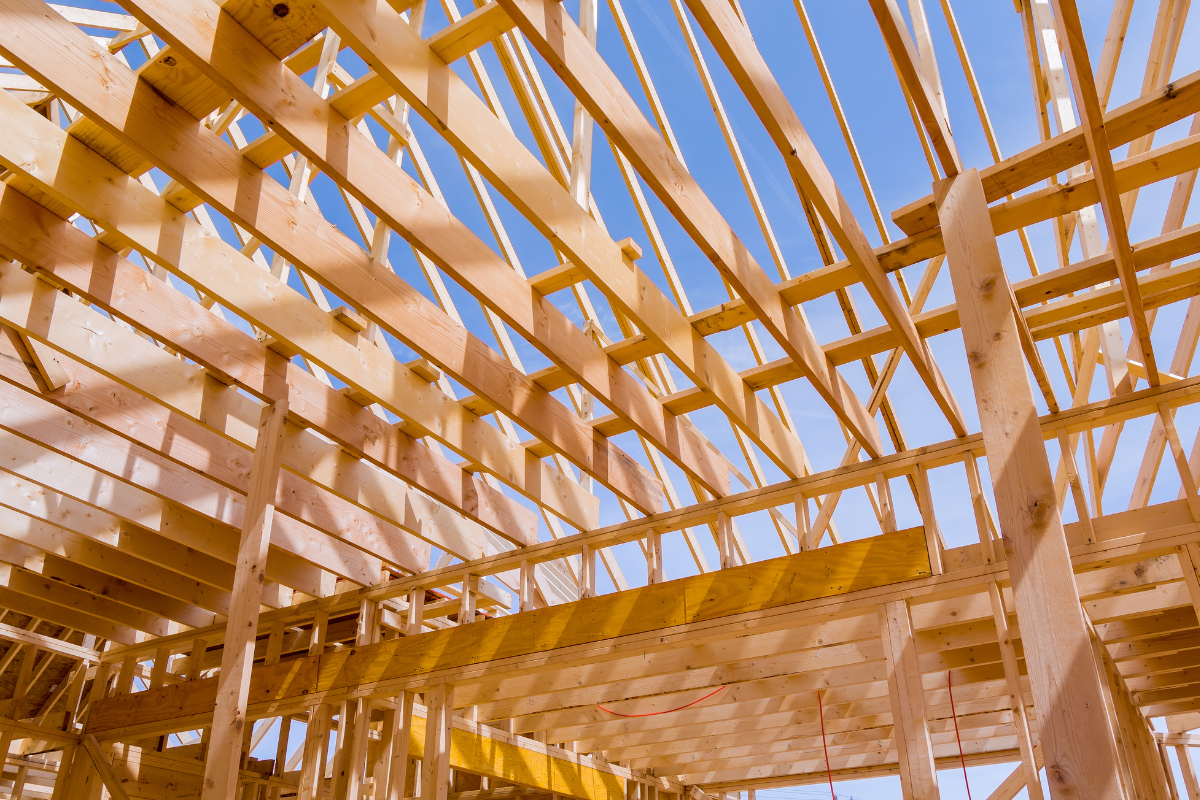
Why Structural Pine Is a Popular Choice for Builders
When planning a construction project, choosing the right construction material is critical. Structural pine has become a popular choice in Australia due to its combination of strength and durability, versatility, and cost-effectiveness. Whether you’re working on wall and roof framing, timber frames, or other structural elements, MGP10 timber offers consistent performance that builders trust.
One of the reasons pine timber is so widely used is its ease of use. Its lightweight nature makes it easy to transport and handle, while its predictable performance ensures efficient construction timelines. For both residential and commercial builds, framing timber is essential, providing a solid foundation for modern construction practices.
High-Quality, Machine-Graded Timber
Most structural pine used today is machine-graded pine, commonly referred to as MGP10 structural pine. Machine grading ensures consistent strength, giving builders confidence in the structural integrity of every beam, stud, or frame. By using machine-graded pine, builders can reduce the risk of underperforming timber, ensuring that structural elements meet the demands of various construction applications.
Treated pine further enhances reliability. Pine is treated to resist termites, moisture, and decay, making it suitable for both indoor and outdoor framing timber. This treatment protects against rot and extends the durability of timber used in construction projects, from structural framing timber in Australia to outdoor framing timber like decks and pergolas.
Why is Pine Sustainable and Its Environmental Advantages
Using timber in construction isn’t just practical, it’s also environmentally sustainable. Timber is a renewable resource, and trees grow continuously in managed forests. By sourcing high-quality structural timber, builders support sustainable building practices that reduce reliance on less eco-friendly materials like concrete or steel.
Structural pine also contributes to carbon sequestration. Trees naturally absorb carbon dioxide, storing it within the timber. When using timber in construction, builders are effectively reducing the need for energy-intensive materials while promoting an eco-friendly choice for builders. In addition, timber’s insulating properties help reduce energy costs for homeowners, making it a practical and sustainable option.
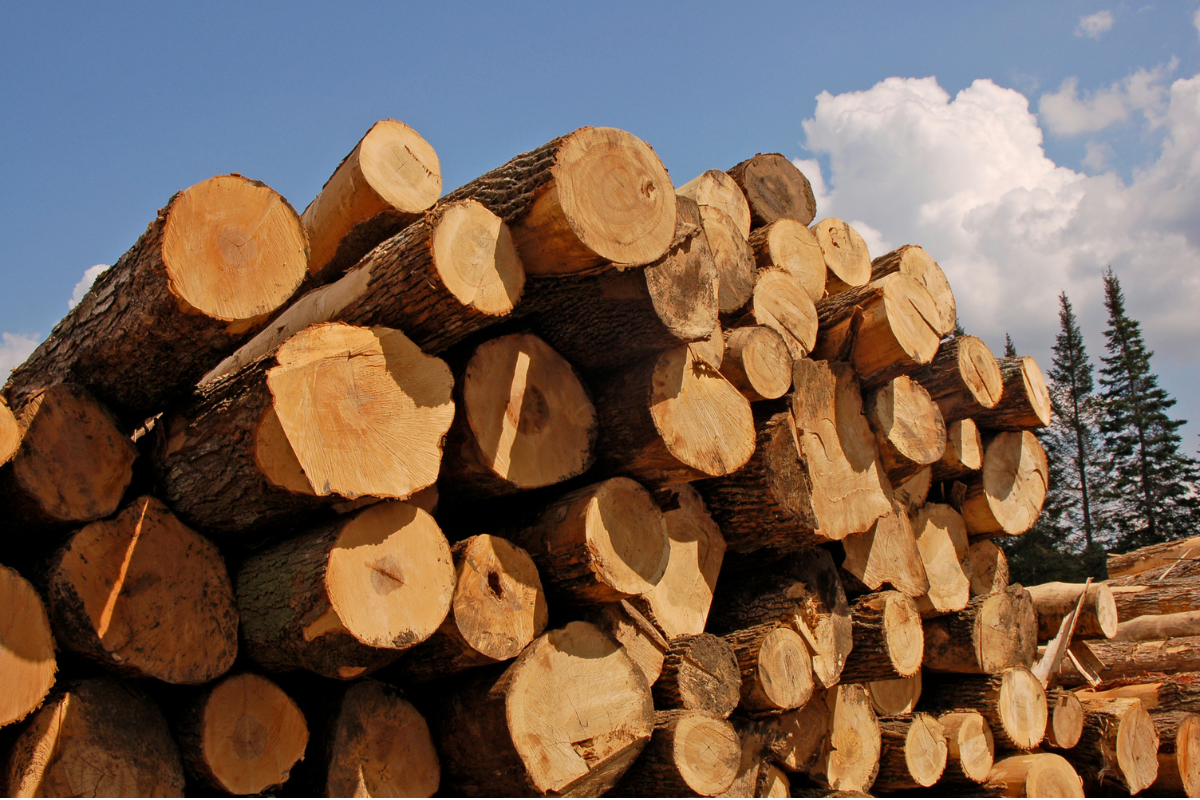
Key Benefits of MGP10 and Other Structural Framing Timber
There are numerous benefits that make MGP10 timber and structural framing timber in Australia a preferred option:
- Strength and durability: Provides reliable support for wall and roof framing, beams, and structural elements.
- Consistent quality: Machine-graded pine ensures uniform strength grade, reducing variability.
- Ease of use: Lightweight and easy to transport and handle, speeding up construction.
- Versatility: Suitable for a variety of construction types, including both residential and commercial builds.
Treated for longevity: Pine is treated to resist decay and termites, making it a choice for outdoor applications. - Sustainability: Sourced from managed forests, contributing to carbon sequestration and reduced environmental impact.
By choosing MGP10 structural pine, builders can combine efficient designs in home construction with long-term reliability, making it an ideal choice for modern projects.
Benefits of Using Structural Pine for Modern Construction
In modern construction, timber framing offers flexibility and adaptability. Framing timber can accommodate various architectural styles, from traditional homes to contemporary designs. Because pine offers both strength and ease of use, it is suitable for efficient construction, allowing builders to complete projects faster without sacrificing quality.
For structures that require exposure to the elements, treated pine ensures protection against termite attack, resistance to decay, and general wear. Builders also have confidence in structural integrity, knowing that timber offers numerous benefits compared to untreated or low-grade alternatives.
Strength and Durability
Whether you’re working with structural timber, engineered wood, or treated timber, this material provides benefits beyond just durability. Timber frames are lightweight, reducing labour requirements, and are easy to transport and handle on-site. Pine timber also allows for precise cuts and alignment, making it suitable for structural applications that demand accuracy.
For builders, making timber the core material supports sustainable building and contributes to modern construction practices that prioritise eco-friendly choices without compromising on performance.
Why Builders Keep Choosing Structural Pine
The combination of strength and durability, sustainability, and ease of use makes structural pine a choice for both builders and designers. It allows for efficient construction, provides confidence in structural integrity, and adapts to a variety of construction types. From framing and roof structures to outdoor applications, pine timber continues to be an ideal choice for modern construction projects.
Whether working on a small residential renovation or a large-scale commercial build, structural pine supports efficient designs in home construction, reduces environmental impact, and ensures durable, high-quality structural elements.

Related articles

Blog title heading will go here
Blog title heading will go here