
The Ultimate Guide to Timber Deck Fasteners and Hidden Fixing Systems for a Flawless Finish
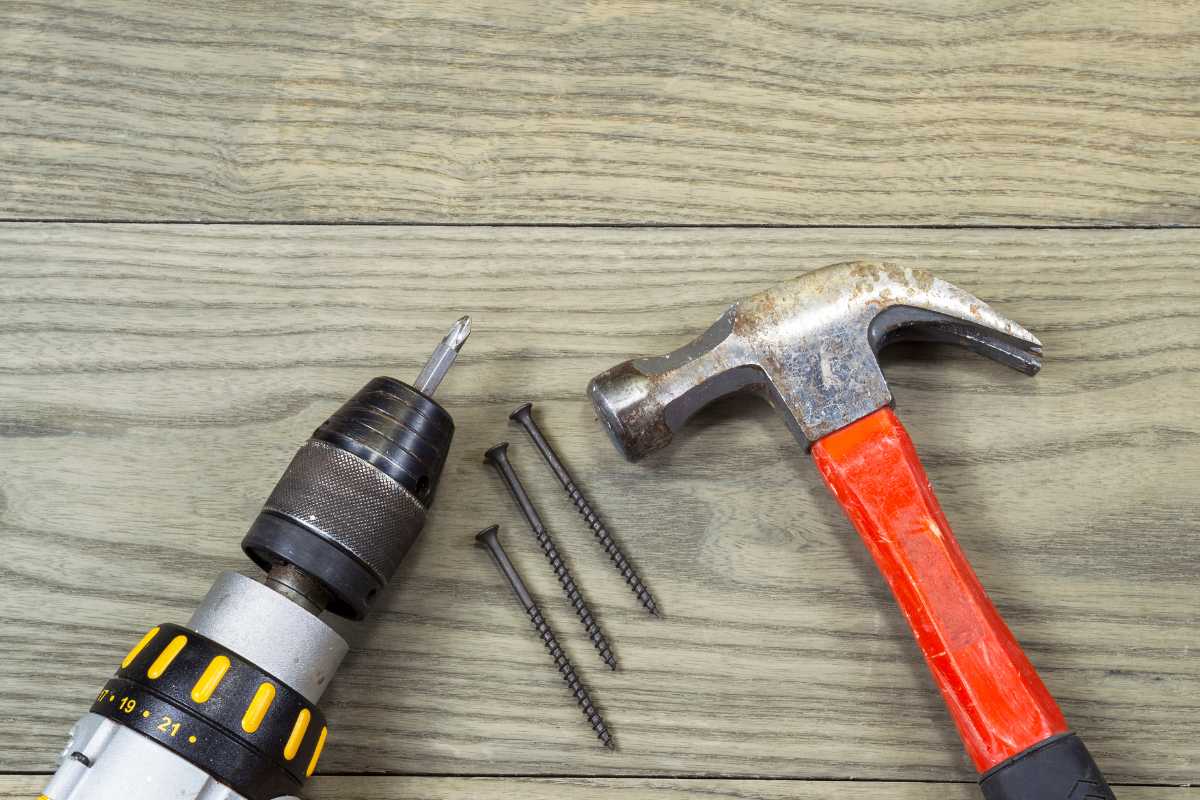
Building a beautiful deck starts with more than just selecting the right timber. One of the most common challenges homeowners and every tradesman face is choosing the right fastener system. The wrong choice can lead to visible fixings, corrosion, board movement, and a less durable finished product. This guide breaks down everything you need to know about deck screws, hidden deck fasteners, and modern fixing methods so you can achieve the best deck with confidence.
Why Choosing the Right Deck Fasteners Matters
Every successful decking project depends on how well the deck board is secured to the joist. Traditional nails and screws may seem like a simple solution, but they often compromise both appearance and longevity.
Modern fixings are designed to:
- Improve structural integrity and reduce uplift
- Minimise visible hardware for a smooth deck surface
- Enhance durability, especially with stainless steel screws
- Support proper spacing and airflow
Choosing the right system ensures your wood deck or composite deck performs well over time while maintaining a clean, professional finish.
Face Screws vs Hidden Fastening Systems
Face Screws
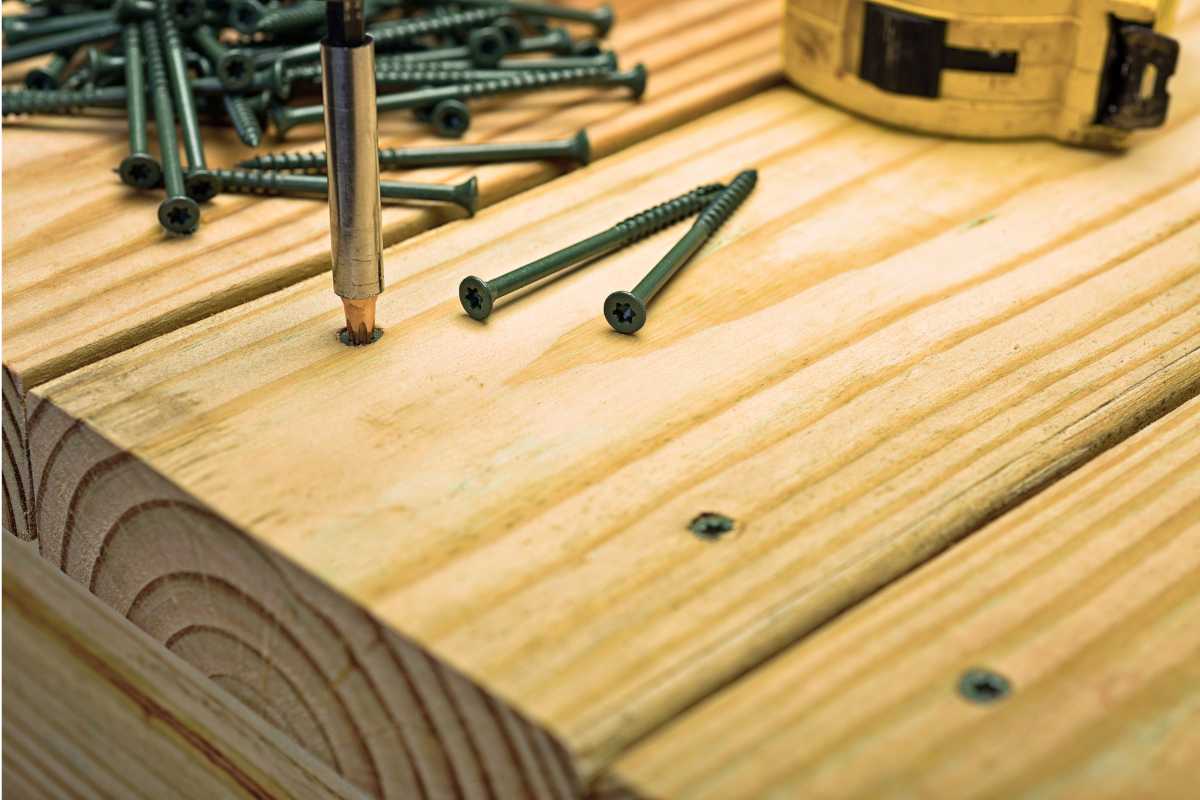
Using face screws is the traditional way to build a timber decking structure. Boards are directly fastened through the top surface into the joist using deck screws.
This method:
- Works well with hardwood like merbau decking or spotted gum
- Requires stainless steel or coated screws to prevent corrosion
- Leaves visible fixings on the floor
While effective, face fixing often results in a less polished look and requires careful alignment by a skilled tradie or joiner.
Hidden Fastening Systems
A hidden fastening system is designed to eliminate visible screws, creating a seamless finish across your deck. These systems use deck clips or side-mounted fasteners to secure each deck board.
Popular solutions include:
- camo universal deck clips
- edgex clips
These hidden deck fasteners sit within a groove or are attached to pre-grooved boards, holding each plank securely in place without penetrating the surface.
Benefits include:
- A cleaner, more less noticeable finish
- Reduced risk of water ingress and splitting
- Consistent spacing between boards
- Faster installation time for experienced installers
For many, using hidden fasteners is now considered the best product choice for premium decks.
Choosing the Right Fastener for Your Timber
Different decking options require different approaches. The type of timber or composite material you choose directly impacts which system will work best.
For Hardwood Timber Decking
When working with dense hardwood like merbau or spotted gum, durability is key.
- Use stainless steel screws to resist corrosion
- Opt for systems designed for 19mm to 50mm board thickness
- Ensure compatibility with grooved wood if using a hidden deck fastening system
These materials demand quality timber fixings that can handle expansion, contraction, and environmental exposure.
For Composite and PVC Decking
A composite deck or pvc system typically uses a hidden deck approach.
- Designed for pre-grooved boards
- Installed with deck clips for consistent alignment
- Offers a uniform and modern appearance
These systems are often easy to install, making them ideal for both professionals and DIY builders.
Key Factors to Consider Before Installation
Before starting your installation, consider the following:
- Quality of the product: Always choose a quality product from a trusted supplier
- Board profile: Ensure compatibility with groove or solid-edge boards
- Environment: Coastal areas require higher-grade stainless steel
- Installation method: Hidden vs face fixing impacts both look and durability
Working with a team that is extremely helpful and knowledgeable can make a significant difference. Many customers highlight their positive experience with the team when selecting the right system.
Hidden Fasteners vs Traditional Fixings: Which Is Better?
If your goal is a smooth deck surface with a high-end finish, a hidden deck fastening system is the clear winner. It enhances the visual appeal while protecting the integrity of the deck board.
However, for structural framing or specific timber decking applications, face screws still have their place.
Ultimately, the best deck often combines both methods strategically.
Building a Deck That Lasts
Selecting the right deck fastener is just as important as choosing better timber. Whether you are building a wood deck with merbau decking or installing a modern composite system, the right hidden fastener solution will elevate both performance and appearance.
Investing in high-quality fixings ensures your finished product is durable, visually appealing, and built to last. For reliable results, work with a reputable supplier who offers proven systems like camo universal deck clips or edgex clips, and prioritises the quality of the product at every stage.

Related articles

Blog title heading will go here
Blog title heading will go here