
Timber Benchtops for Your Kitchen: Types and Benefits
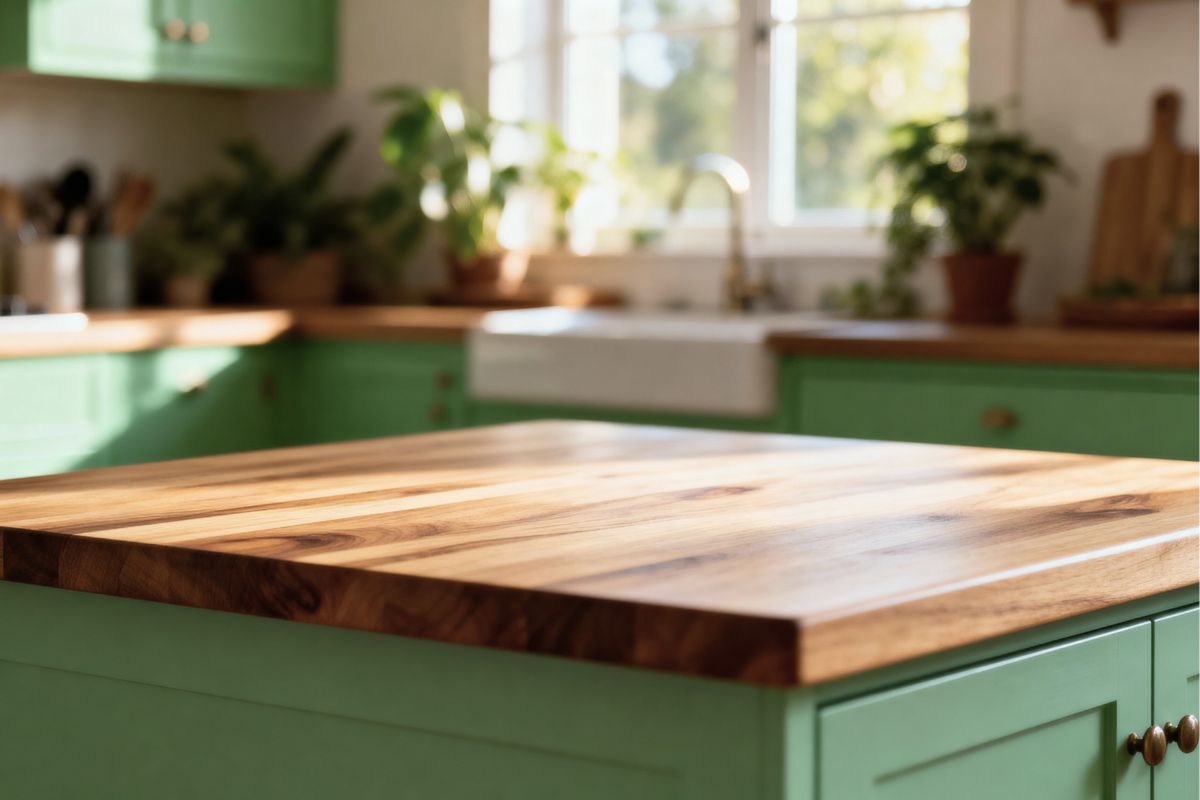
Timber benchtops have long been a favourite choice for homeowners and designers seeking a blend of durability and aesthetic appeal in their kitchens. Unlike stone or laminate, timber offers warmth and texture that can completely transform a space, adding character and personality. If you're planning a renovation and want to select a benchtop for your kitchen or update your island bench, understanding the types of timber, their advantages, and how to maintain them is essential.
This guide explores the different types of timber used in kitchen benchtops, the benefits of timber, and practical tips for care and longevity. We’ll also compare timber to alternatives like laminate benchtops or engineered stone, helping you make an informed choice.
Why Choose Timber Benchtops for Your Kitchen?
Timber benchtops offer numerous benefits that make them a standout choice for kitchens of all styles. Here’s why homeowners love them:
- Natural beauty and unique grain: Every block of timber has a unique grain pattern, creating a natural look that is impossible to replicate with synthetic materials. This individuality adds a rustic charm or a "Scandi" look, depending on the kitchen style.
- Adds warmth and texture: Timber brings a tactile quality to your kitchen, softening modern finishes and complementing cabinetry and decor. It adds texture to your kitchen and can elevate both contemporary and traditional spaces.
- Durability and strength: High-quality solid timber benchtops, such as Victorian ash, Tasmanian oak, jarrah, or walnut, are strong and durable hardwoods that withstand daily use in busy kitchens.
- Environmental benefits: Choosing recycled timber for your benchtops or sustainably sourced hardwoods makes your kitchen renovation environmentally friendly while retaining luxury and longevity.
- Versatility in kitchen design: With a wide range of timber species, this wood offers a range of colours and finishes, making it suitable for all kitchen styles, from rustic to modern.
In comparison, laminate benchtops or engineered stone provide a more uniform look, but they lack the natural warmth and character of timber.
Types of Timber for Kitchen Benchtops
Choosing the right timber depends on your kitchen’s style, functionality, and desired level of maintenance. Here are some popular types of timber used in benchtops:
1. Victorian Ash or Tasmanian Oak
Both are light-coloured hardwoods with fine, straight grains. They’re strong and durable, making them ideal for everyday kitchen use. Their neutral tones make them versatile, complementing both Scandi-inspired kitchens and contemporary designs.
2. Jarrah
This native Australian hardwood timber is darker with deep red tones and striking grain. Jarrah adds a rustic charm and can bring an extra level of luxury to your kitchen. It’s resistant to wear and tear and suitable for island benches or kitchen benchtops that see heavy use.
3. Walnut
Walnut has a rich, dark hue and a smooth texture. It’s perfect for kitchens seeking aesthetic appeal and a unique natural look. Walnut is durable but requires regular care to maintain its finish.
4. Recycled Timber
For environmentally conscious homeowners, recycled timber provides a rustic look while reducing demand for new timber. Each reclaimed block is unique, giving your kitchen a one-of-a-kind character.
5. Solid Timber vs Engineered Timber
While solid timber benchtops offer unmatched natural beauty and longevity, some kitchens use engineered wood or laminated surfaces for budget-friendly options. Laminated particleboard or veneer-covered timber can mimic wood appearance while being easier to maintain and more affordable.
Benefits of Timber Benchtops
Timber benchtops add warmth and texture, but they also offer practical advantages:
- Strength and Durability
High-quality solid timber is robust and can withstand wear and tear from cutting, food preparation, and daily kitchen use. While timber has a lower resistance to moisture than stone, it can be treated to resist water damage and spills. - Aesthetic Versatility
Every block of timber is unique, making it ideal for custom kitchen designs. Timber can complement cabinetry, bring warmth, and enhance the overall natural look of your kitchen. - Easy to Repair and Maintain
Minor scratches and stains can be sanded out or treated with wood treatment oil. Regular maintenance keeps the surface strong and durable, allowing solid timber benchtops to last decades. - Adds Value and Luxury
A timber benchtop is not just a functional surface; it’s a feature that elevates your kitchen, adding both visual appeal and an extra level of luxury that’s attractive to homeowners and buyers alike.
Disadvantages of Timber Benchtops
No material is perfect. It’s important to consider potential drawbacks before choosing timber:
- Susceptible to scratches and dents: Timber is softer than stone or engineered surfaces. Care is needed to prevent wear and tear, especially in busy kitchens.
- Moisture sensitivity: Water and spills can cause swelling or warping if not wiped immediately. Proper sealing and wood treatment oil reduce the risk of water damage.
- Heat sensitivity: Placing hot pans directly on the surface can leave marks, so use trivets or heat mats.
- Maintenance requirements: Timber requires regular maintenance to retain its natural beauty and longevity, unlike laminate benchtops which are low-maintenance.
Despite these considerations, timber remains a popular choice for kitchens, offering unmatched aesthetic appeal and a natural look that other materials struggle to match.
Timber vs Laminate and Engineered Stone
When comparing timber benchtops to alternatives like laminate or engineered stone:
- Laminate benchtops: Affordable, low-maintenance, and resistant to stains and water damage, but lack the grain pattern and warmth of timber.
- Engineered stone: Highly durable and moisture-resistant, but can feel cold and lacks the warmth and natural character that timber brings to a kitchen.
- Timber benchtops: Offer organic beauty, add rustic charm, and bring warmth unmatched by synthetic materials, though they require care and maintenance.
For homeowners seeking a natural material, timber benchtops add a timeless quality and enhance kitchen spaces with their unique aesthetic.
Tips for Maintaining Timber Benchtops
To preserve your solid timber kitchen benchtop, follow these practical steps:
- Wipe spills promptly to prevent water damage.
- Use cutting boards and trivets to protect against scratches and heat from hot pans.
- Apply wood treatment oil regularly to maintain a smooth finish and durability.
- Clean with gentle products. Avoid harsh chemicals to preserve the grain pattern and keep the natural finish intact.
- Inspect regularly for scratches or minor dents and repair promptly to ensure long-term performance.
With proper care, timber benchtops can last decades, maintaining strength and durability while keeping their natural beauty.
Choosing the Right Timber for Your Kitchen
Selecting the best kitchen benchtop material depends on your needs:
- For durability and longevity: Hardwoods like Victorian ash, Tasmanian oak, or jarrah are excellent.
- For rustic charm: Reclaimed timber offers unique character.
- For modern kitchens: Lighter timbers with fine grains complement Scandi-inspired interiors.
- For budget-conscious projects: Laminated or engineered timber can provide the look of solid timber with lower costs.
Consider your kitchen’s usage, design style, and willingness to perform regular maintenance when deciding on the right timber benchtop.
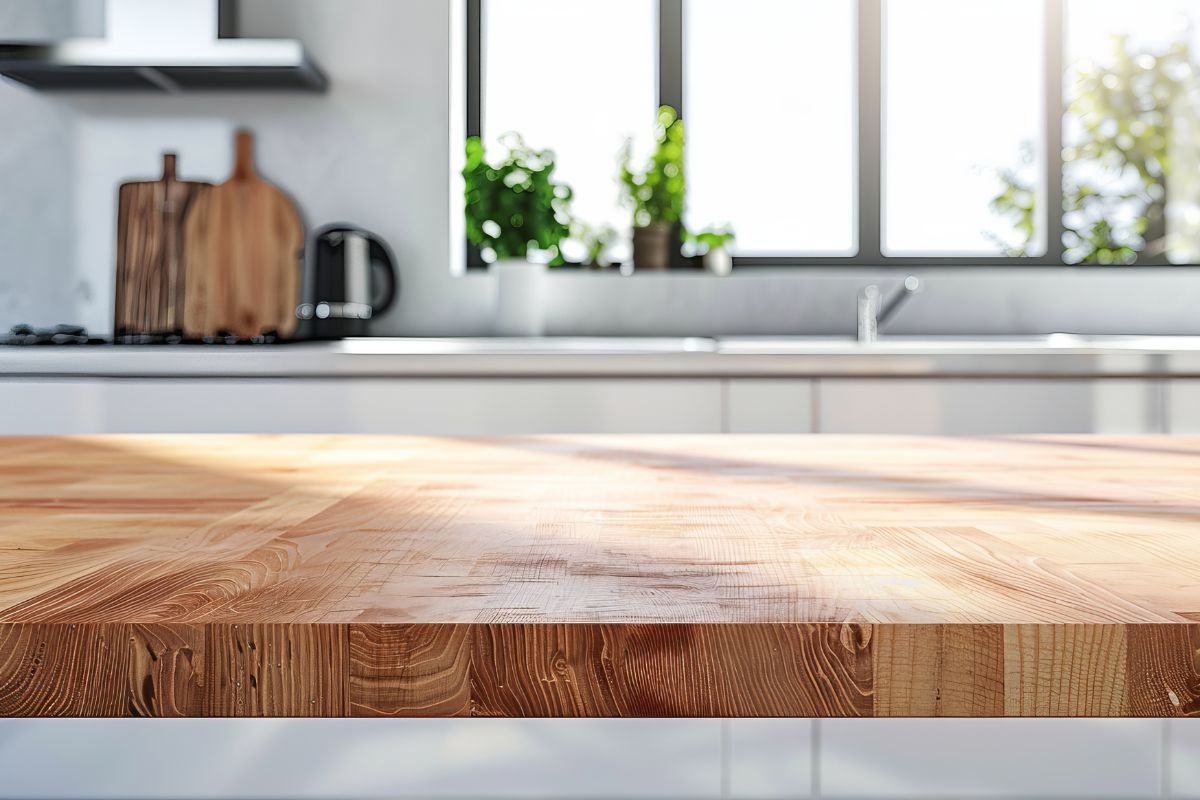
Why Timber Benchtops Are a Smart Choice
Timber benchtops offer timeless elegance to any kitchen. From classic to modern kitchen styles, timber provides strength and durability, natural warmth, and the chance to incorporate environmentally friendly recycled timber. While they require regular maintenance and care against moisture and scratches, the benefits of timber, from visual appeal to longevity, make it a compelling choice over laminate, engineered stone, or other alternatives.
Solid timber benchtops provide an extra level of luxury, practicality, and earth aesthetics that enhance both functionality and style. Every kitchen deserves the unique charm and timeless appeal that only timber can bring.

Related articles

Blog title heading will go here
Blog title heading will go here