
Timber Ceiling Panels vs Other Ceiling Materials: Which Ceiling Option Is Right for Your Space?
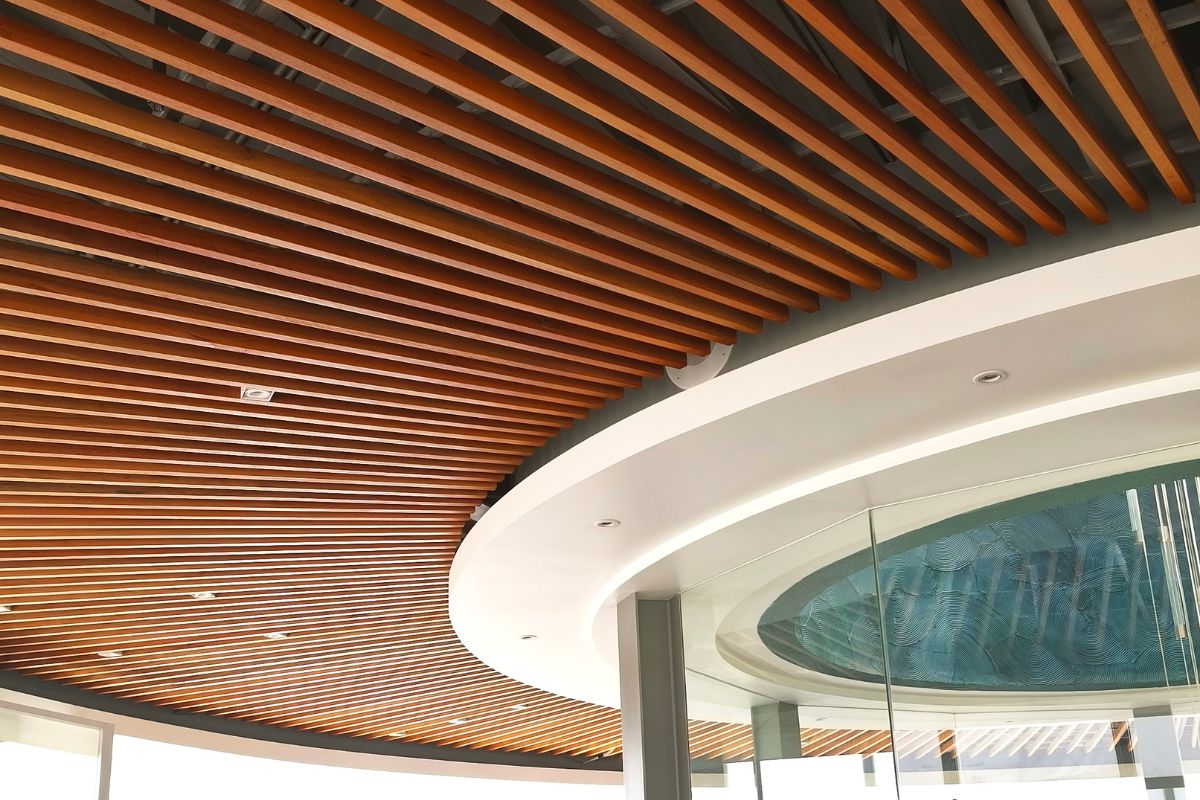
Choosing the right ceiling can truly influence the look, feel, and functionality of a space. While walls and flooring often receive the most attention during the design process, the ceiling plays an equally important role in shaping the atmosphere of a room. From improving acoustics to enhancing visual appeal, the right ceiling solution can completely transform an interior.
Today, there are many different types of ceiling materials available, each offering distinct advantages depending on the style, performance requirements, and budget of a project. However, among the most sought-after options in contemporary architecture and interior design, timber ceiling systems continue to stand out for their warmth, versatility, and timeless appeal.
This guide compares timber ceiling panels with other common ceiling materials to help homeowners, architects, and designers determine the right ceiling solution for their space.
Why Timber Ceiling Panels Continue to Be a Popular Choice
In both residential and commercial spaces, timber remains a highly desirable material because of its ability to introduce natural warmth and texture into an environment. Unlike many synthetic finishes, natural timber offers authentic grain variation and depth that adds character to a room.
A wood ceiling can instantly soften hard architectural lines and create a more welcoming atmosphere. Whether incorporated into minimalist homes, coastal interiors, contemporary offices, or farmhouse designs, timber works across a wide range of aesthetics and architectural styles.
Modern timber panelling systems are also incredibly versatile. From sleek linear batten designs to traditional tongue and groove profiles and large-format wood panels, there are endless panelling ideas available for modern projects. Timber ceilings can create subtle sophistication or act as a dramatic architectural feature depending on the selected profile and finish.
Beyond visual appeal, many homeowners also choose timber because of its strong acoustic performance, natural insulation qualities, and long-term durability.
Comparing Timber Ceiling Panels to Plaster Ceilings
A plaster ceiling has long been considered a standard solution in residential construction due to its affordability and smooth finish. Flat plaster surfaces work well in minimalist interiors and can help create a clean and seamless appearance.
However, while plaster ceilings are functional, they often lack the depth and texture associated with timber panelling. A plaster ceiling generally provides a more neutral look, whereas a timber ceiling introduces warmth, visual richness, and stronger architectural identity.
Timber also offers greater design flexibility. While plaster is typically limited to flat or lightly detailed surfaces, timber ceilings can incorporate beam detailing, recess features, or integrated ceiling systems that create visual interest overhead.
In large open-plan homes and expansive living areas, plaster surfaces can sometimes contribute to echo and poor acoustics. Timber ceilings, particularly acoustic systems with spaced battens or perforated designs, can help improve sound control and create a more comfortable environment.
Although plaster ceilings are generally lower in upfront cost, many homeowners feel the elevated appearance and long-term value of premium timber justify the investment.
Timber Ceiling Panels vs PVC Ceiling Materials
Another common ceiling material used in modern construction is PVC ceiling panelling. PVC is often selected because it is lightweight, moisture-resistant, and relatively inexpensive.
While PVC can be practical in some settings, it typically lacks the authentic appearance and tactile quality of natural timber. Many homeowners seeking a premium finish prefer timber because of its organic grain patterns and ability to create genuine warmth and texture throughout an interior space.
PVC surfaces can sometimes appear artificial or overly glossy, especially in high-end residential projects where design quality is a priority. By comparison, timber ceilings provide greater visual depth and a more sophisticated finish.
Timber also contributes positively to perceived comfort and indoor air quality, particularly when responsibly sourced and properly finished. In contrast, synthetic materials may not deliver the same natural aesthetic or architectural appeal.
For those wanting a ceiling that makes a bold statement, timber often provides a more refined and timeless result.
Metal Ceiling Systems and Timber Comparisons
A metal ceiling can have a sleek industrial look that suits certain commercial or contemporary spaces. Materials like aluminium and steel are often used in offices, retail environments, and public buildings because of their clean appearance and structural performance.
Some metal panels are also designed with perforations to improve acoustic control in busy environments. However, despite their functionality, metal ceilings can sometimes feel cold or overly utilitarian in residential settings.
Timber ceilings, on the other hand, introduce softness and natural character into a room. In homes where comfort and atmosphere are priorities, timber often creates a more inviting environment compared to industrial metal finishes.
That said, combining timber with metal detailing has become increasingly popular in contemporary architectural design. Pairing timber battens with black steel framing or aluminium fixtures can create a striking contrast that balances warmth with modern sophistication.
Both materials have their strengths, but timber is often preferred in projects where aesthetics and atmosphere are key considerations.
Tile Ceilings and Suspended Ceiling Systems
In many commercial environments, suspended tile ceilings remain a practical solution due to their accessibility and ease of maintenance. Suspended ceilings allow for concealed wiring, lighting systems, and HVAC services while offering straightforward installation and replacement.
Although functional, tile ceilings generally prioritise practicality over aesthetics. Standard ceiling tiles can appear repetitive and lack the architectural impact associated with timber systems.
By comparison, timber ceilings can elevate the overall design of an indoor environment while still supporting functional requirements. Modern timber ceiling systems can be designed to conceal lighting, air-conditioning systems, and other services while maintaining a polished appearance.
Timber also allows for more customisation in both residential and commercial projects. Designers can create feature ceilings with varied spacing, integrated lighting, and custom profiles to better align with the overall project vision.
Beamed Ceilings, Coffered Ceilings, and Timber Design Flexibility
One of the greatest advantages of timber is the exceptional design flexibility it offers. Timber ceilings can be adapted to suit everything from sleek modern apartments to traditional homes with decorative detailing.
Features such as exposed beam structures and beamed ceilings add character and architectural depth to a space. These styles are especially popular in rustic, coastal, and contemporary homes where texture and visual layering are central to the design approach.
Decorative coffered ceilings and the timeless coffered ceiling look also remain highly desirable in luxury interiors. Timber enhances these ceiling styles by adding warmth, elegance, and material richness that cannot easily be replicated with synthetic alternatives.
In homes with a vaulted ceiling, timber lining can help soften large expanses and create a more intimate atmosphere. The natural tones and textures of timber work particularly well in spaces designed to maximise natural light, helping rooms feel bright yet grounded.
From linear battens to detailed mouldings, timber enables homeowners to create ceilings that feel unique, refined, and architecturally integrated.
Durability, Maintenance, and Long-Term Value
When comparing different ceiling materials, maintenance and longevity are important considerations. Quality timber ceilings are designed to provide lasting performance when properly installed and maintained.
Many modern timber products are engineered to resist issues such as moisture exposure and mould, making them suitable for a variety of indoor and outdoor applications. High-quality timber linings also maintain their visual appeal over time while developing added character through natural ageing.
Although costs vary depending on species, profile, and complexity, timber ceilings are often viewed as a worthwhile long-term investment. Pricing is typically measured per square metre, with premium designs reflecting the craftsmanship and detail involved.
Trusted suppliers such as Mortlock Timber continue to provide innovative ceiling solutions that combine functionality, performance, and refined aesthetics for modern homes and commercial environments alike.
Choosing the Right Ceiling Material for Your Space
Ultimately, the best type of ceiling depends on the needs of your project, your preferred aesthetic, and the atmosphere you want to create. While plaster, PVC, metal, and tile ceilings each offer specific advantages, timber ceilings continue to lead in terms of warmth, versatility, and architectural appeal.
Whether you are designing a relaxed coastal retreat, a sophisticated commercial fit-out, or a contemporary family home, timber offers the ability to add depth, improve acoustic benefits, and create a timeless sense of elegance.
For homeowners and designers seeking a ceiling solution that balances beauty, functionality, and lasting value, timber ceiling systems remain one of the most compelling choices available today.

Related articles

Blog title heading will go here
Blog title heading will go here