
Timber Cladding Designs for Modern Homes: Contemporary Exterior Ideas That Last
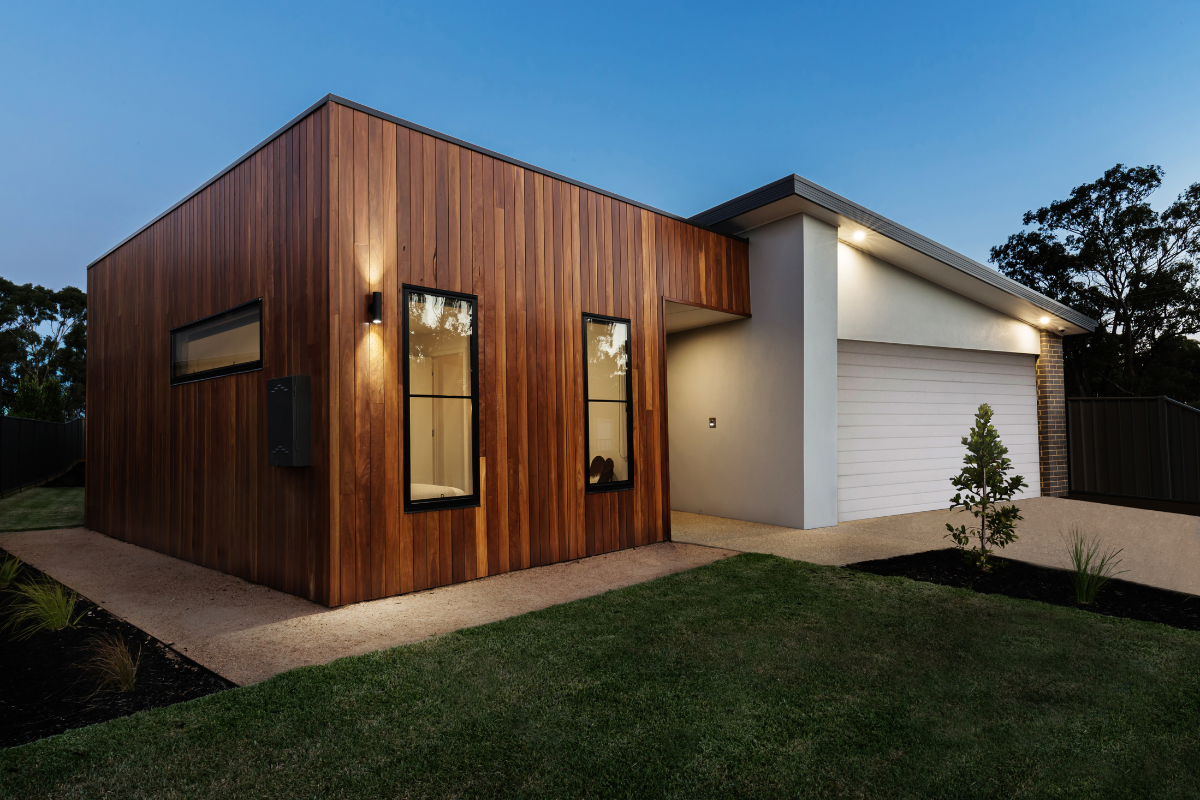
Timber cladding designs for modern homes have become a defining feature of contemporary architecture. From clean-lined city builds to relaxed coastal homes, timber cladding is often chosen for its warmth, versatility, and ability to soften a modern exterior without compromising durability. Used thoughtfully, exterior cladding can transform a building, add visual interest, and support long-term performance in harsh weather conditions.
Today’s cladding solutions for modern homes go well beyond a single look or material. With a wide range of hardwood timber species, cladding styles, and finishes available, architects and homeowners can create designs that feel both current and timeless.
Why Timber Cladding Works So Well in Modern Architecture
Modern design often leans on clean lines, simple forms, and carefully chosen materials. Timber cladding fits seamlessly into this approach. It adds warmth and texture to modern architecture while still aligning with minimalist design styles.
As an exterior cladding material, timber offers flexibility that many different materials cannot. It can be installed vertically or horizontally, used as full external wall cladding or limited to feature walls, and combined with concrete, steel, or glass to create contrast. Timber cladding adds depth and visual interest without overpowering the structure itself.
For contemporary homes, this balance between simplicity and character is key.
Popular Timber Species for Modern Exterior Cladding
Choosing the right timber species plays a big role in durability and appearance over time. Australian hardwood timber remains a popular choice for exterior cladding due to its strength, resilience, and natural beauty.
Spotted gum is widely used in modern home designs thanks to its durability, varied brown hues, and ability to weather gracefully into a silver-grey patina. Blackbutt offers a lighter tone that works well for clean, modern exteriors and coastal homes where a softer look is preferred. Ironbark is another excellent choice, valued for its durability and longevity, especially in exposed conditions.
These durable hardwoods come from responsibly managed forests, making them a renewable and environmentally responsible option when sourced correctly.
Charred Timber and Shou Sugi Ban Cladding
Charred timber cladding has become a striking feature in modern exterior design. Often referred to as shou sugi ban or sugi cladding, this Japanese-inspired technique involves a controlled charring process that enhances the timber’s surface.
The burnt ash layer created during charring improves fire resistance, helps protect against weather, and contributes to long-term performance. Visually, charred timber cladding offers deep black tones, silvery highlights, or weathered grey finishes depending on the level of char and post-treatment.
Shou sugi ban works particularly well in modern architecture, where contrast and texture are used to define the façade. It is a great option for homeowners seeking a bold but durable exterior cladding solution.
Horizontal Timber, Shiplap, and Batten Styles
The style of cladding chosen can dramatically affect how a modern home is perceived. Horizontal timber cladding emphasises clean horizontal lines and can visually widen a building. This approach aligns well with contemporary homes focused on proportion and balance.
Shiplap cladding is another popular choice, offering tight joins and a refined finish that suits modern design without feeling cold. Batten cladding, with its spacing and shadow lines, adds rhythm and visual interest while maintaining a strong architectural feel.
Each cladding style offers different applications depending on orientation, spacing, and desired effect. Thoughtful alignment and fixings are essential to maintain structural integrity and achieve a clean, long-lasting finish.
Timber Cladding for Feature Walls and Mixed Materials
Cladding is often chosen not only for full façades but also for feature walls that break up different materials. Timber pairs well with stone, brick, and metal, helping soften harder surfaces and introduce warmth.
In modern homes and commercial buildings alike, timber feature walls are used to highlight entrances, upper levels, or recessed areas. This approach allows timber cladding to make an impact without dominating the entire exterior.
Using timber products selectively can also help manage budget while still delivering strong design outcomes.
Durability, Weather Performance, and Maintenance
When designed and installed correctly, timber cladding offers excellent durability and longevity. Australian hardwoods are well suited to harsh weather conditions, provided the cladding system accounts for ventilation, moisture management, and proper fixings.
Over time, timber will develop a weathered look, shifting in hue as it responds to sun and rain. Some homeowners prefer to let this natural patina develop, while others choose coatings to maintain the original appearance. Either approach can work, depending on the design intent.
Long-term performance depends on good detailing, correct installation, and selecting a type of cladding appropriate for the environment.
Sustainability and Environmentally Responsible Design
Timber cladding remains one of the more environmentally responsible exterior cladding options available. As a renewable material, timber sourced sustainably has a lower environmental impact than many synthetic alternatives.
When timber boards come from responsibly managed forests and are used efficiently, they support sustainable building practices without sacrificing design or performance. This makes timber cladding a popular choice for architects focused on environmentally conscious solutions for modern homes.
Timber Cladding Designs for Modern Homes
From minimalist façades to textured, rustic-inspired exteriors, timber cladding designs for modern homes continue to evolve. Whether using charred timber, horizontal hardwood boards, or refined shiplap profiles, timber cladding offers versatility that suits a wide range of design styles.
It aligns seamlessly with modern architecture, enhances exterior spaces, and delivers warmth, texture, and visual interest that few other materials can match. For homeowners and designers looking for durable, flexible, and visually striking exterior cladding, timber remains an excellent choice that stands the test of time.

Related articles

Blog title heading will go here
Blog title heading will go here