
Timber Decking Mistakes to Avoid: How to Avoid Costly Pitfalls When Installing Your Deck
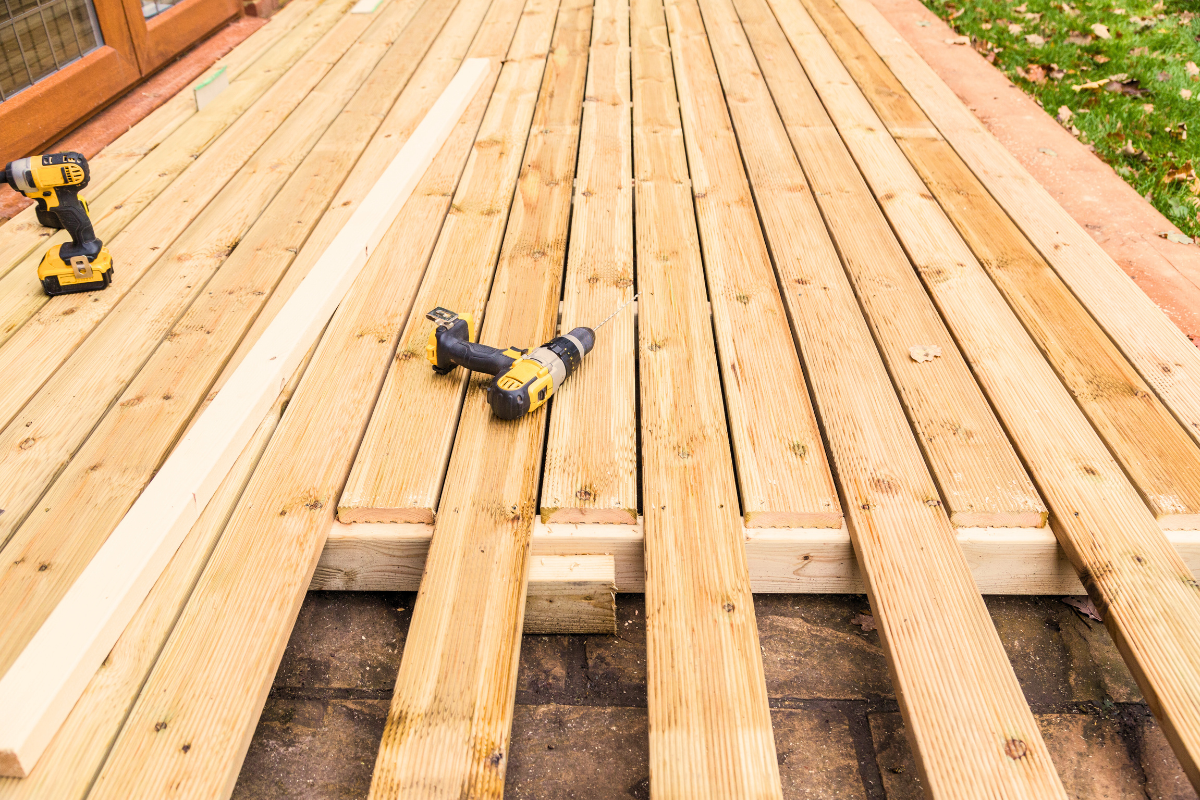
A timber deck can transform your outdoor space, adding beauty, functionality, and value to your property. But a poorly executed decking installation can quickly lead to decking problems like rot, buckle and warp, trapped moisture, and structural failure. Understanding the common deck-building mistakes and how to avoid them is essential, whether you’re a seasoned deck builder or a homeowner tackling a DIY project.
In this guide, we’ll explore the most frequent timber decking mistakes, from selecting the type of timber to decking installation oversights that can compromise safety and longevity. Following this advice ensures your high-quality deck is built right the first time, protecting your investment and creating a safe, beautiful outdoor living space.
1. Choosing the Wrong Type of Timber or Composite
One of the most frequent mistakes made in deck building is using the wrong type of timber. Many homeowners opt for inexpensive softwood without considering durability, moisture resistance, or suitability for Australian climates. Hardwood is ideal for long-lasting decking, while softwood can be more prone to rot, buckle, and mould if not treated correctly.
Similarly, selecting low-quality composite decking boards or composite decking products without understanding manufacturer specifications can lead to mistakes like improper board movement or colour fading. Always choose the right type of wood or composite materials for your project and follow manufacturer's instructions carefully.
2. Incorrect Joist and Subframe Setup
The subframe and joist spacing are the backbone of any timber deck. Common decking installation mistakes occur when joists are spaced incorrectly, posts aren’t straight, or subframes aren’t level.
Failing to allow room for expansion between decking boards can cause buckle and warp, especially in timber that naturally expand and contract with changes in moisture. Always install galvanised steel or galvanised fixings to prevent corrosion and ensure the structural integrity of the entire structure.
Good airflow around your decking timber is essential. Without proper ventilation, trapped moisture can lead to rot, mould, and decking problems. Ensuring your decking installation includes proper airflow beneath the boards and clear drainage channels helps prevent trapped moisture, rot, and other decking problems.
3. Failing to Leave Proper Gaps Between Boards
Another common mistake people make when installing a timber deck is failing to leave sufficient expansion gaps between boards. Timber naturally expands and contracts, and if boards are laid too tightly, they can buckle, warp, or even crack.
Even with composite boards or composite decking, leaving the correct gap between boards is critical. Most installation guides specify spacing for board movement, which varies depending on board profile, climate, and material. Following these guidelines helps prevent decking problems and ensures a smooth, durable decking surface.
4. Poor Drainage and Ventilation
Neglecting drainage and ventilation can cause serious issues with your deck. Trapped moisture under the decking surface or around timber posts accelerates rot and shortens the life of your wooden deck.
Ensure your deck is designed to drain water efficiently. Allowing good airflow between decking boards and beneath the subframe prevents mould and decking problems over time. This mistake is often overlooked by homeowners but is a major pitfall in construction projects.
5. Skipping Manufacturer Instructions and Building Codes
Even experienced deck builders sometimes ignore manufacturer instructions or local council building codes, leading to common installation issues. Incorrect fixings, improper joist spacing, or failing to seal properly can invalidate warranties and compromise safety.
Always follow manufacturer instructions when installing composite decking or timber supplies. Check local council regulations for decking projects, especially regarding timber posts, height restrictions, and fire-rated materials. This ensures your decking installation is compliant and safe.
6. Incorrect Use of Fixings and Hidden Fastening Systems
Fixings are more than just nails or screws, they’re key to preventing decking timber from buckle and warp. Using inferior fasteners or not using steel can cause common decking installation mistakes.
Hidden fastening systems and clip systems provide a clean decking surface and reduce splitting. When installing composite decking boards, always follow the recommended clip system spacing to avoid costly repairs and common pitfalls.
7. Neglecting Inspection and Maintenance
Even the best timber deck or composite decking boards require regular inspection. Failing to check for loose fixings, warped boards, or decking problems is a common mistake that can cause issues down the line.
Seasonal maintenance includes cleaning decking surfaces, ensuring drainage remains clear, and resealing timber where required. A high-quality deck with ongoing care adds value to your property and ensures your outdoor living space remains safe and beautiful.
Final Thoughts
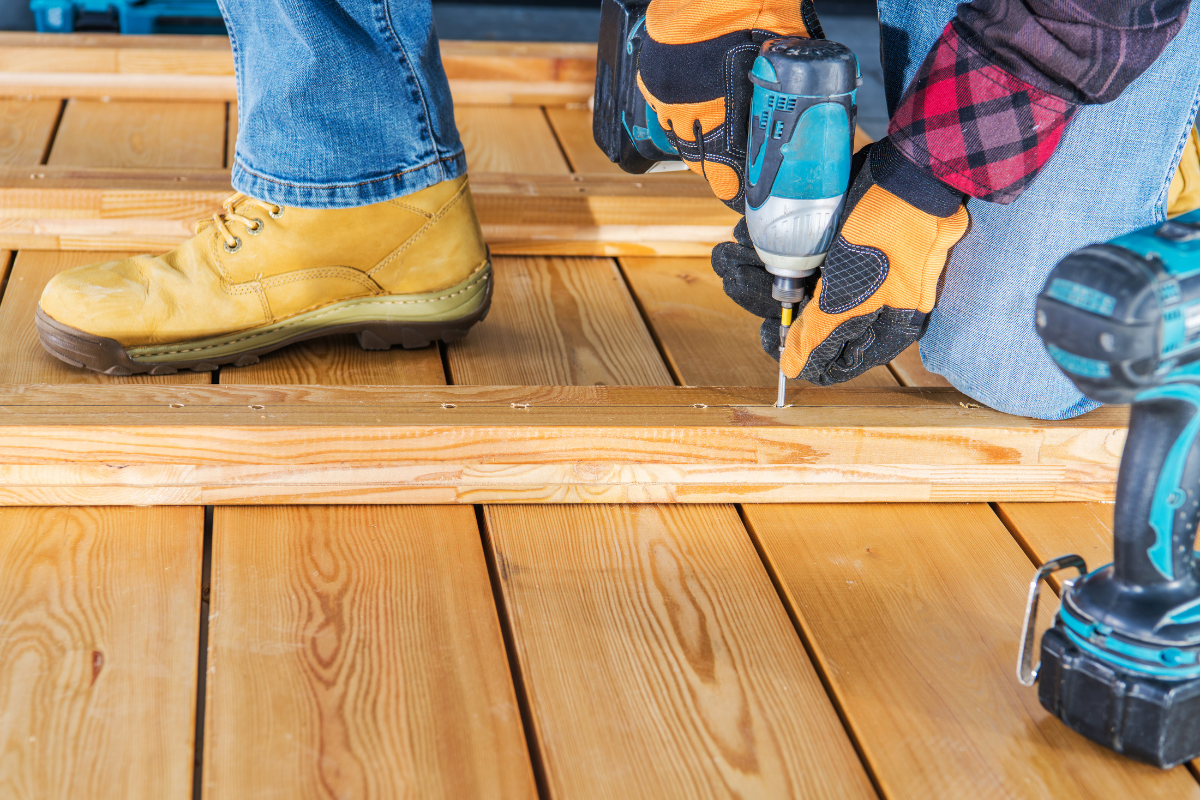
A timber deck or composite decking project is a significant investment in your outdoor living space and adds value to your property. By understanding common deck building mistakes, following proper installation practices, and efficiently planning for drainage, airflow, and board movement, you can avoid costly mistakes and enjoy a durable, beautiful deck for years to come.
Whether you’re using hardwood, softwood, or composite boards, careful preparation, adherence to building codes, and attention to detail in decking installation are the key to getting it right the first time.

Related articles

Blog title heading will go here
Blog title heading will go here