
What Are Laminates and How Are They Made? A Complete Guide to Laminate Manufacturing
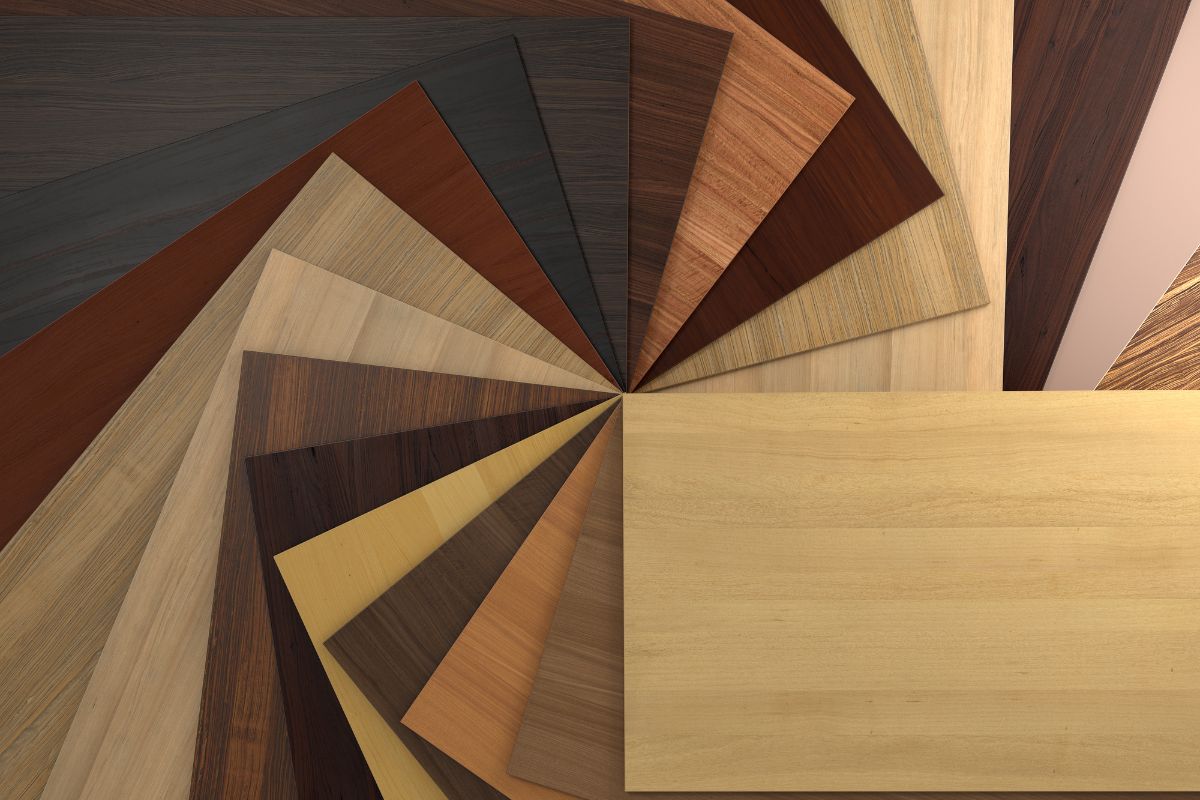
In modern construction and interior design, laminate surfaces have become one of the most widely used materials for furniture, cabinetry, and decorative applications. Known for their versatility, affordability, and stylish finishes, laminates are commonly used across homes, offices, and commercial spaces to create durable and visually appealing interiors.
From sleek modular kitchen cabinetry to stylish wall panels, wardrobes, and office furniture, laminates are designed to offer both performance and aesthetic flexibility. However, many people are unfamiliar with how laminates are actually produced or what materials are involved in the manufacturing process.
Understanding the process of laminates can help homeowners, designers, and builders choose the right products for their projects while appreciating the technology and craftsmanship behind modern laminate surfaces.
What Is a Laminate?
A laminate sheet is a layered surfacing material created by bonding multiple sheets of specially treated paper together using heat and pressure. Laminates are primarily used as decorative and protective surfaces for substrates such as plywood, particleboard, or mdf.
A typical decorative laminate consists of several engineered layers designed to provide strength, appearance, and protection. Depending on the intended application, laminates may feature woodgrain finishes, solid colours, stone-inspired patterns like marble, or even textured surfaces designed to replicate natural materials.
Today, laminates are available in a wide range of finishes including matte, suede, woodgrain, high gloss, and anti-fingerprint options. Their flexibility and visual appeal make them a preferred solution for both residential and commercial interiors.
The Raw Materials Used in Laminate Manufacturing
The quality and performance of laminates largely depend on the raw materials used during the laminate manufacturing process. Although designs and finishes may vary, most laminates are produced using similar core components.
One of the main materials used is kraft paper, which forms the structural base of the laminate. Several layers of kraft paper are stacked together to build thickness and strength. These sheets are typically made of paper pulp and treated with specialised chemicals to improve durability.
The kraft paper is saturated with phenolic resin, a type of thermosetting resin known for its structural stability and moisture resistance. The use of phenolic materials helps improve the laminate’s durability and performance under pressure.
Above the kraft layers sits the decorative paper, which contains the colour, pattern, or printed design that you see on the finished product. This layer replicates either timber grain, concrete, stone, or other decorative finishes.
To protect the decorative finish, an overlay is applied top of each decorative layer. This protective layer is commonly treated with melamine resin, which improves stain resistance, scratch resistance, and overall surface durability.
The Step-by-Step Process of Laminates
Understanding the step-by-step process behind laminate production helps explain why laminates are such durable and versatile materials.
1. Paper Treatment and Resin Impregnation
The first stage of laminate production involves treating the paper layers with specialised resins. The kraft paper is soaked with phenolic resin, while the decorative and overlay papers are treated with melamine-based compounds.
During this stage, the paper treated with resin is carefully dried using hot air systems to achieve the correct moisture levels. This process helps prepare the materials for bonding while ensuring the sheets maintain consistent quality.
2. Layer Assembly
Once dried, the various paper layers are assembled into a layered stack. The kraft paper is placed at the bottom to create structural strength, followed by the decorative layer and protective overlay sheet.
For textured finishes, a specialised textured plate is laid over the top before pressing. This allows manufacturers to create realistic woodgrain or stone-like finishes with authentic texture and depth.
At this stage, the laminate structure already resembles the final product, although it still requires bonding under extreme conditions.
3. High Pressure and Heat Application
The stacked sheets are then placed into hydraulic presses, where they are exposed to intense pressure and heat. During this stage, the laminates are compressed at temperatures of around 150°C and subjected to extremely high pressure measured per square inch.
This combination of high pressure, high heat, and resin curing permanently bonds the paper layers into one strong, solid sheet. As the resins harden, they create a dense and highly durable material built to withstand everyday wear and tear.
This process is known as high pressure laminate production, or hpl manufacturing. Thanks to its strength, durability, and versatility, high-pressure laminate is now one of the most widely used materials in modern furniture and interior applications.
4. Cooling, Trimming, and Finishing
After pressing, the laminate sheets are cooled and trimmed to their final dimensions. Manufacturers then inspect the products for imperfections, colour consistency, and structural integrity.
These quality checks help ensure the finished laminate meets industry standards for durability, appearance, and performance. Additional finishing processes may also be completed depending on the desired finish, whether matte, textured, or gloss.
The final product is a durable and decorative laminate surface ready for use across a wide range of interior applications.
Why Laminates Are Widely Used in Modern Interiors
Laminates continue to grow in popularity because they offer a practical balance between performance, affordability, and visual flexibility. Compared to natural materials such as stone or veneer, laminates provide similar visual appeal at a more accessible price point.
One of the main advantages of laminates is their excellent durability. Quality laminates are designed to withstand daily wear, moisture, and impact, making them suitable for busy homes and commercial environments.
Many laminates also offer strong heat resistance, stain protection, and moisture resistance, making them ideal for kitchens and bathrooms where surfaces are exposed to humidity and frequent cleaning.
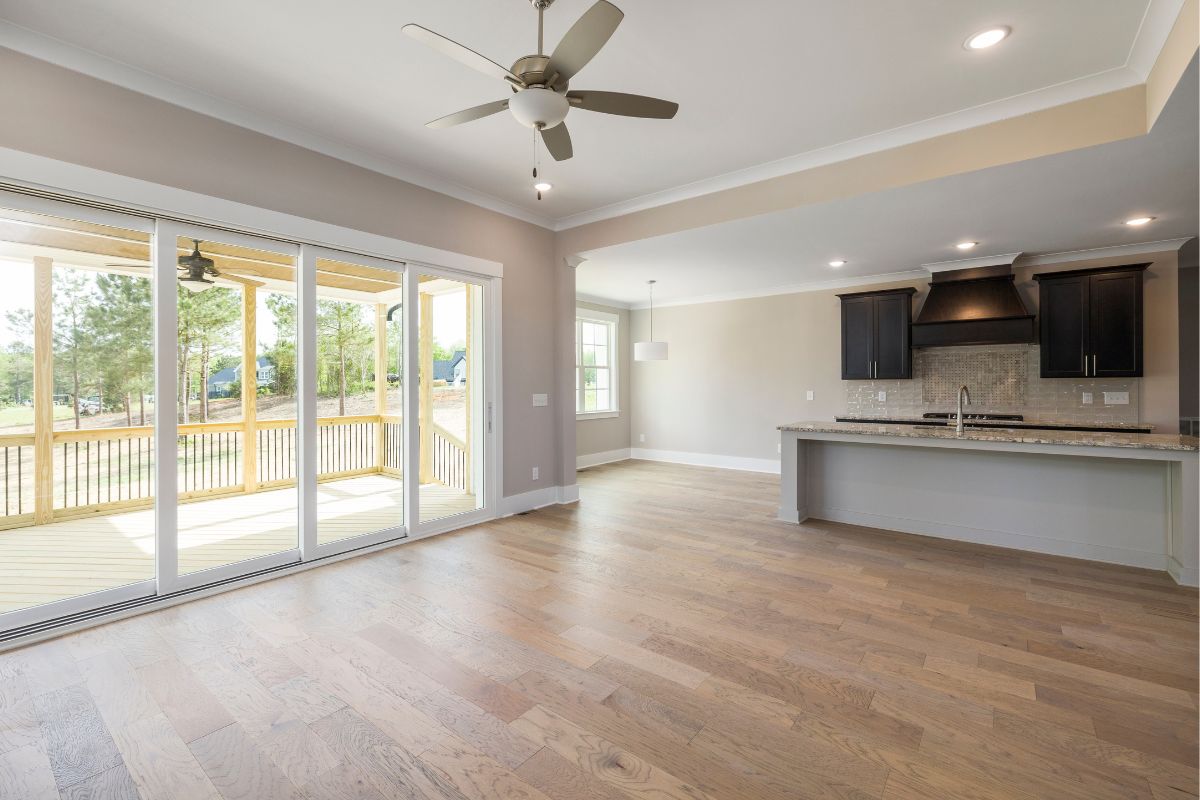
Their versatility also supports a wide variety of interior requirements. Laminates are commonly used for cabinetry, shelving, wardrobes, wall systems, and countertops. In many modern homes, laminates can be applied to tv unit designs, kitchen cabinetry, and custom storage solutions.
Because laminates are available in countless colours, finishes, and patterns, they provide designers with extensive colour combination and styling opportunities. Whether creating a sleek minimalist apartment or a warm contemporary home, laminates support a wide range of design aesthetics.
Decorative Laminates and Surface Finishes
Modern decorative laminates are designed to replicate the look and feel of natural materials while offering improved practicality. Some laminates imitate timber grain with remarkable realism, while others recreate stone, concrete, or metallic finishes.
Textured finishes, including brushed woodgrain and embossed patterns, have become increasingly popular in contemporary interiors. These textured laminates add depth and sophistication while improving the tactile experience of the surface.
Manufacturers also continue to innovate with advanced finishes such as uv-protected surfaces, fingerprint-resistant coatings, and ultra-matte laminates. These features help prevent the finished laminates from fading, staining, or showing excessive wear over time.
Because of this versatility, laminates remain a widely used surfacing solution in both homes and commercial environments.
HPL Laminates vs Other Surface Materials
Compared to painted finishes or natural timber, hpl products offer several practical advantages. High-pressure laminates are engineered for resilience, making them suitable for high-traffic environments where surfaces experience regular use.
Unlike some painted finishes, laminates are generally more resistant to scratching and staining. They also require minimal maintenance while delivering a consistent appearance over time.
Although natural timber and veneer continue to hold strong appeal, laminates provide a cost-effective alternative that still delivers strong aesthetic appeal and visual appeal. Their consistent finish and long-lasting performance make them a preferred option for cabinetry and furniture manufacturers.
Leading brands such as Formica, Greenlam, and other major sheet manufacturers continue to innovate within the laminate industry, offering products tailored to evolving design trends and performance requirements.
Choosing the Right Laminate for Your Project
Selecting the right laminate depends on the intended application, design goals, and performance needs of the space. Different laminate products are developed for different uses, whether for cabinetry, countertops, wall applications, or flooring.
When choosing laminates for a kitchen, bathroom, or high-traffic area, it is important to prioritise moisture resistance, heat performance, and surface durability. For decorative spaces, colour, finish, and texture may become the primary considerations.
As laminate technologies continue to evolve, manufacturers are producing increasingly sophisticated surfaces that combine style, practicality, and performance. From matte timber-look finishes to ultra-modern gloss surfaces, laminates remain an essential part of the modern interior landscape.
Whether used in homes, offices, or large-scale commercial projects, laminates continue to offer an efficient and attractive solution for creating stylish, functional, and durable interiors.

Related articles

Blog title heading will go here
Blog title heading will go here