
What Are Timber Ceiling Panels and How Are They Made? A Complete Guide for Modern Interiors
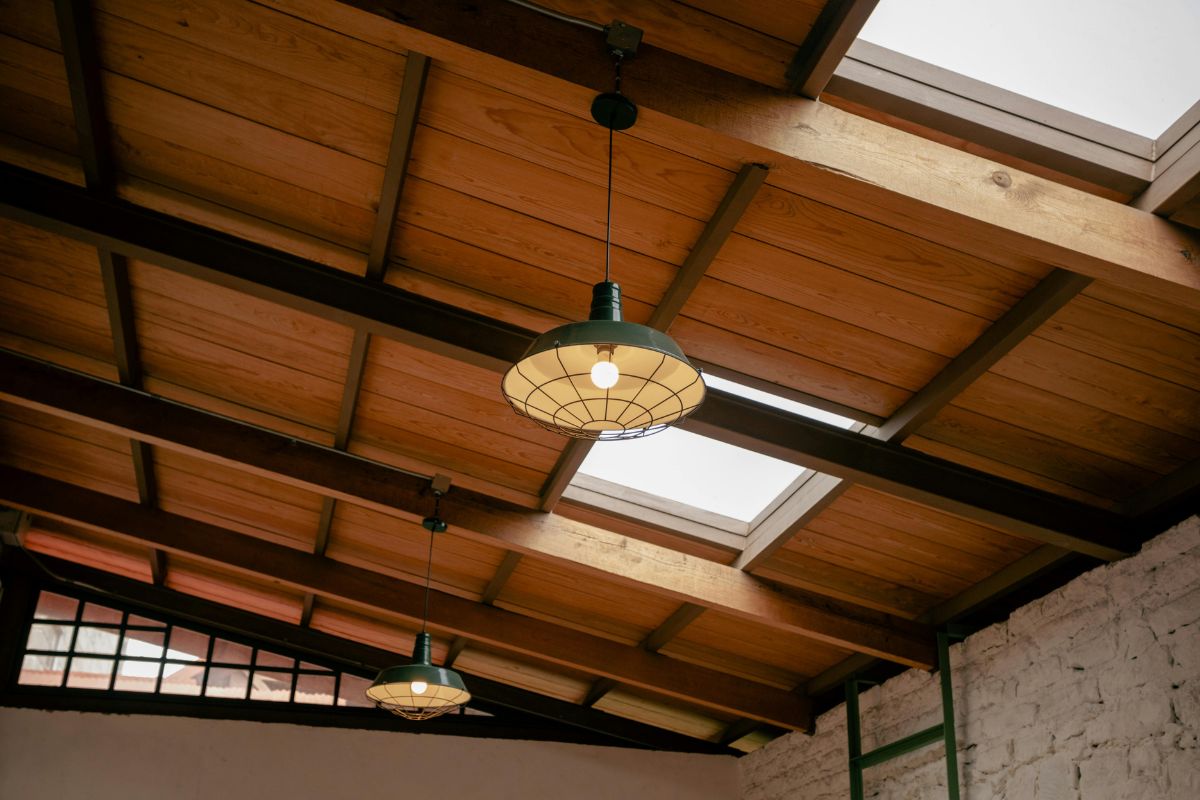
Timber ceiling panels are more than just a design trend. They are a precisely engineered building solution that combines natural materials with modern manufacturing. Unlike standard finishes, these systems are designed to deliver consistency, performance, and a refined architectural look straight from installation.
If you are considering timber for your ceiling, understanding how these panels are constructed, what materials are used, and how they function in real spaces will help you make a smarter, more confident decision. This guide breaks down the structure, production process, and practical benefits of timber ceiling panels in a clear and usable way.
What Are Timber Ceiling Panels?
At their core, timber ceiling panels are pre-manufactured panel systems designed to form a finished ceiling lining. They are made from natural or engineered timber and are used across both ceiling and wall applications.
These panels come in a wide range of styles, from clean plank profiles to detailed slat or batten systems. They can be used to create a subtle backdrop or a bold feature ceiling, depending on the layout, colour, and finish.
Unlike traditional plasterboards, timber panels introduce warmth, aesthetic appeal, and a timeless quality that enhances both residential and commercial interior design.
Why Timber Ceiling Panels Are a Popular Design Choice
The appeal of timber panelling lies in its ability to combine function and style. In modern interiors, timber is used to soften clean lines and bring balance to harder materials like concrete or steel.
Key benefits include:
- Strong aesthetics that suit both rustic and high-end spaces
- Natural colours and textures that complement various design styles
- Excellent durability when using quality hardwood or engineered materials
- Flexibility to create stunning design features such as a feature wall or integrated timber features
Timber also supports renewable material use, especially when sourced as certified timber, making it a more sustainable option.
How Timber Ceiling Panels Are Made
The production of timber ceiling panels combines material selection, precision engineering, and detailed craftsmanship. While processes vary between suppliers, the core steps remain consistent.
1. Selecting the Right Timber Species
The process begins with choosing the appropriate timber species. This decision impacts appearance, performance, and longevity.
Common choices in Australia include:
- Tasmanian oak for lighter tones and versatility
- Cedar for warmth and natural resistance to moisture
- Durable hardwood options for structural strength
Each species offers distinct grain patterns and tones, influencing the final aesthetic appeal.
2. Processing and Cutting the Timber
Once selected, the raw timber is cut into usable forms such as plank, ply, or plywood panels. These materials are then machined into specific profiles, including slat, batten, or flat ceiling panels.
Advanced manufacturing ensures consistency in spacing, thickness, and finish, which is critical for achieving a seamless architectural result.
3. Engineering for Acoustic Performance
Many modern ceiling systems are designed with acoustic performance in mind. Acoustic timber panels are engineered to reduce reverberation and improve sound clarity.
This is achieved through:
- Perforations or gaps between slat and batten elements
- Backing materials that absorb sound
- Specific configurations that enhance acoustics
These features make timber panels ideal for offices, hospitality spaces, and open-plan homes where sound control is important.
4. Finishing and Surface Treatments
After shaping, panels are treated with stains, coatings, or oils to enhance colour and protect the material.
Options include:
- Natural finishes that highlight the grain and natural surroundings
- Custom stain colours for tailored interior palettes
- Protective coatings that improve durability and reduce maintenance
This stage plays a major role in achieving the desired stylish and cohesive look.
5. Prefabrication and System Design
Many suppliers now offer prefabricated systems such as click-in panels, which simplify installation and improve efficiency on-site.
These systems are designed to integrate seamlessly with structural elements like beam and rafter layouts, making them suitable for both flat ceilings and more complex designs such as a curve or angled pitch.
Types of Timber Ceiling Panel Systems
Slat and Batten Systems
Slat and batten systems are widely used in modern ceiling design. They create linear patterns that add depth and elegance to a space.
These systems are especially effective in:
- Open-plan kitchen and living areas
- Commercial environments requiring acoustic performance
- Spaces aiming to elevate visual interest
Solid and Engineered Panel Systems
Flat ceiling panels made from solid timber or engineered plywood panels provide a clean and consistent finish. These are often used in high-end residential and commercial projects.
They are valued for:
- Smooth ceiling lining
- Minimal joints for a seamless look
- Strong structural integrity
Decorative and Custom Panels
For more expressive designs, panels can include detailed moulding, curved elements, or bespoke layouts. This level of customisation allows designers to create truly unique architectural timber features.
Installing Timber Ceiling Panels
The process of installing timber panels depends on the system used, but modern solutions are designed to be efficient and adaptable.
Common installation methods include:
- Direct fixing to rafter or framing systems
- Suspended grid systems similar to ceiling tiles
- Modular click-in systems for faster installation
These options make timber panels suitable for both indoors renovations and large-scale developments.
Where Timber Ceiling Panels Work Best
The versatile timber nature of these systems allows them to be used across a wide range of applications.
They are an ideal choice for:
- Residential homes looking to add natural warmth
- Commercial spaces aiming for improved acoustics
- Retail and hospitality venues seeking a stylish finish
They also work seamlessly across floor, ceiling, and vertical surfaces, helping create a cohesive interior design.
Why Timber Ceiling Panels Continue to Lead Modern Design
Timber remains one of the most effective materials for creating spaces that feel both refined and inviting. Its ability to balance performance, sustainability, and beauty makes it a standout option in modern interiors.
Products from trusted suppliers such as Mortlock Timber showcase how innovation and craftsmanship can deliver high-performing architectural timber systems.
With endless colours and textures, flexible installation methods, and strong acoustic capabilities, timber ceiling panels continue to set the standard for ceiling systems in both residential and commercial design.
Bringing Timber Ceiling Design Into Your Space
Whether you are refreshing an existing space or designing something entirely new, timber ceiling solutions offer a practical and visually impactful upgrade.
From subtle timber lining to bold feature ceiling concepts, these systems allow you to elevate your space while maintaining a strong connection to natural materials.
With the right selection of timber species, finish, and system design, timber panels can deliver a timeless, high-quality result that enhances both form and function.

Related articles

Blog title heading will go here
Blog title heading will go here