
Your Complete Guide to Exterior Timber Cladding Installation
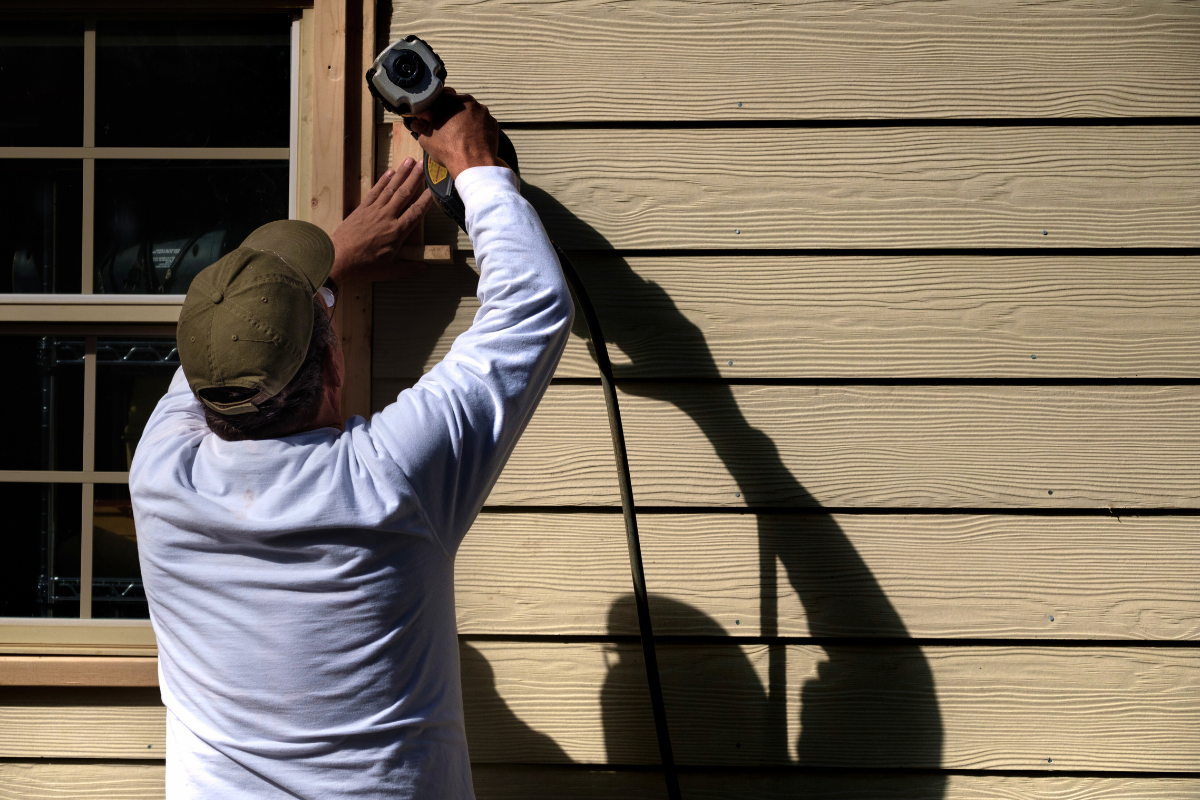
If you are planning to install timber cladding, careful planning and preparation are essential to ensure the exterior performs well and lasts for decades. Choosing the right timber and layout can dramatically enhance the building’s aesthetic, giving it a warm, natural, and visually striking finish.
In Australia’s varied climate, poor preparation can lead to trapped moisture, structural movement, and costly repairs that are far more difficult to fix at the end of the project.
This expert guide explains what you need to understand before beginning the installation process, from structural preparation to drainage and timber selection. Whether you are building new or upgrading an exterior, getting these fundamentals right will ensure durability, compliance, and a long-lasting finish.
Understand Your Structure Before You Install Your Cladding
Before you install any boards, assess the underlying structure carefully. The frame must be level, stable, and capable of supporting the additional load of cladding.
Australian conditions require special consideration. In coastal regions, salt exposure influences your choice of fasteners. In bushfire-prone zones, material selection and cavity detailing may be regulated. Ensuring compliance from the outset will prevent expensive adjustments later in the process.
It is also essential to confirm that the substrate is perfectly straight. Any inconsistencies in the framing will transfer directly through the cladding, affecting the final appearance across the entire façade.
Plan for Moisture Control and Drainage
Water management is one of the most critical factors when installing timber cladding. Timber is a natural product and must be allowed to breathe.
A properly designed cavity system helps prevent water from becoming trapped behind boards. Installing a breathable membrane over the structural wall adds protection while still allowing airflow. Battens create space for ventilation and help provide an escape path for condensation.
Always make sure the base detail allows water to drain away freely. Sealing the bottom completely can trap moisture, leading to decay. At the top of the cladding, flashings should be positioned correctly to direct water away from the cavity.
Making sure airflow is maintained throughout the system will significantly extend the life of the cladding.
Choose the Right Timber for Australian Conditions
Not all species perform equally. If you are planning to install timber cladding externally, durability should be a primary consideration.
Many Australian projects favour hardwood for its strength and durability. However, hardwood expands when it absorbs moisture and contracts as it dries. Ensure to leave small gaps and avoid over-tightening fixings so the boards can move naturally without cracking or warping.
Climate also plays a role. In humid regions, selecting a species with proven resistance to decay is essential. In drier climates, stability may be the priority. Choosing the correct timber at the beginning of the process ensures long-term performance and reduces maintenance requirements.
Batten Direction and Layout Matter
The orientation of your cladding boards directly affects how you position each batten. For vertical boards, battens should run horizontally, and for horizontal boards, battens should run vertically. This cross-layout provides stable support across the wall and helps prevent movement over time.
Measure spacing from the centre of one batten to the next to ensure consistency and maintain structural integrity. Taking the time to set out battens straight at the start makes the rest of the installation far smoother, as small misalignments early on can create noticeable issues across the exterior.
Fixings and Fasteners: Small Details, Big Impact
The type of screw or fastener you use is critical. Stainless steel is commonly recommended for exterior applications, particularly in coastal areas where corrosion risk is higher.
When you fix each board, avoid over-tightening. Timber needs room to expand and contract with seasonal changes. Restricting movement can cause splitting or surface stress.
Fasteners should be aligned consistently along batten lines to maintain a clean visual line over the cladding. Precision at this stage contributes significantly to the overall finish.
Choosing Vertical or Horizontal Orientation for Your Timber Cladding
Deciding between vertical and horizontal orientation is both a design and performance choice.
Vertical profiles can encourage faster drainage, as gravity helps water move downward. Horizontal profiles may create strong architectural lines but require careful detailing to make sure water does not sit on board edges.
In either case, ensuring boards are perfectly level and properly spaced is essential. Making sure the first board is aligned correctly will influence every board installed after it.
Protective Coating and Long-Term Performance
Protecting your new timber surface is critical to long-term performance. Oils, stains, and paints each offer a different look, level of UV protection, and maintenance commitment, so the right choice depends on your climate and desired finish. A high-quality protective coating helps prevent premature weathering, limits moisture absorption, and improves durability in harsh Australian conditions. Ongoing inspections and timely reapplication will ensure the cladding continues to perform reliably for years.
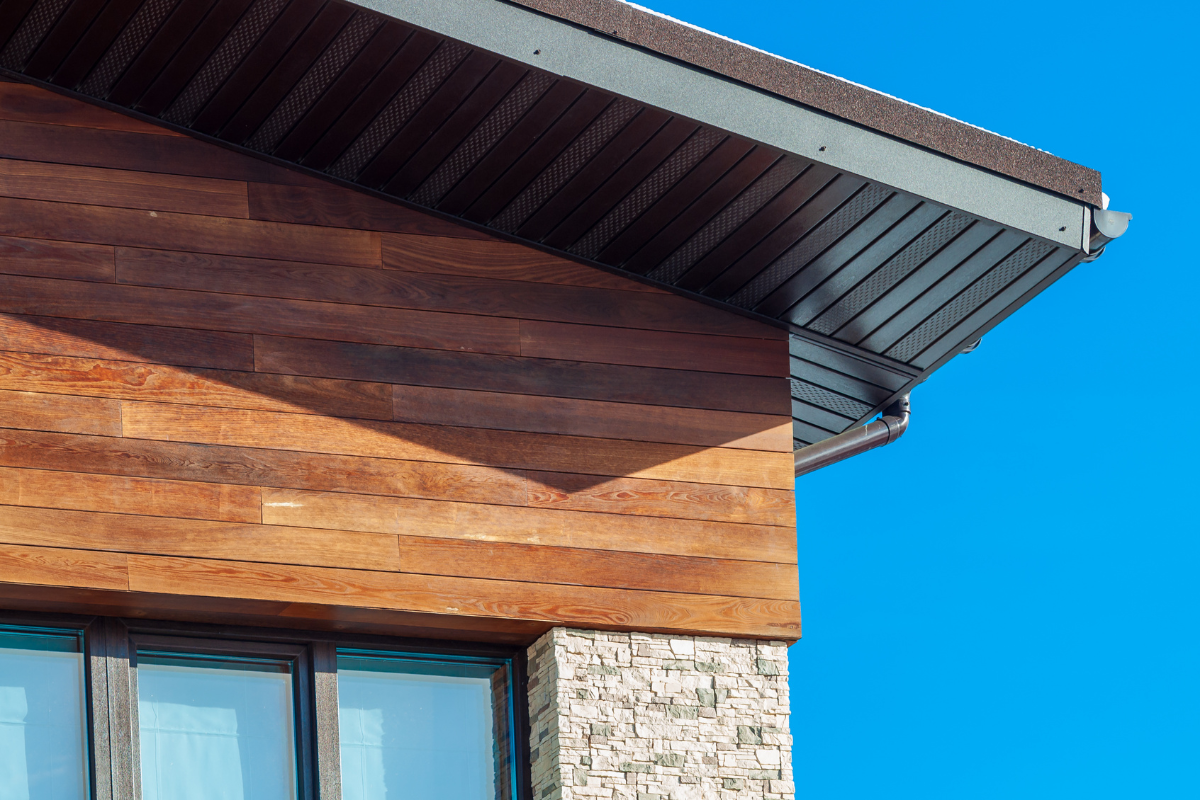
Final Considerations Before You Install Timber Cladding
Successful installation of timber cladding is not simply about attaching boards to a wall. It requires planning, compliance awareness, correct batten layout, moisture management, and appropriate fixing techniques.
When you install timber cladding with careful preparation and attention to detail, you protect both the aesthetic and structural integrity of the building. By ensuring proper drainage, allowing for timber movement, and selecting suitable materials for Australian conditions, you create an exterior that performs as beautifully as it looks.
For premium materials and expert advice tailored to Australian projects, Worldwide Timber Traders can help you select the right solution before your project begins.

Related articles

Blog title heading will go here
Blog title heading will go here