
How to Choose the Right Particle Board for Your Project
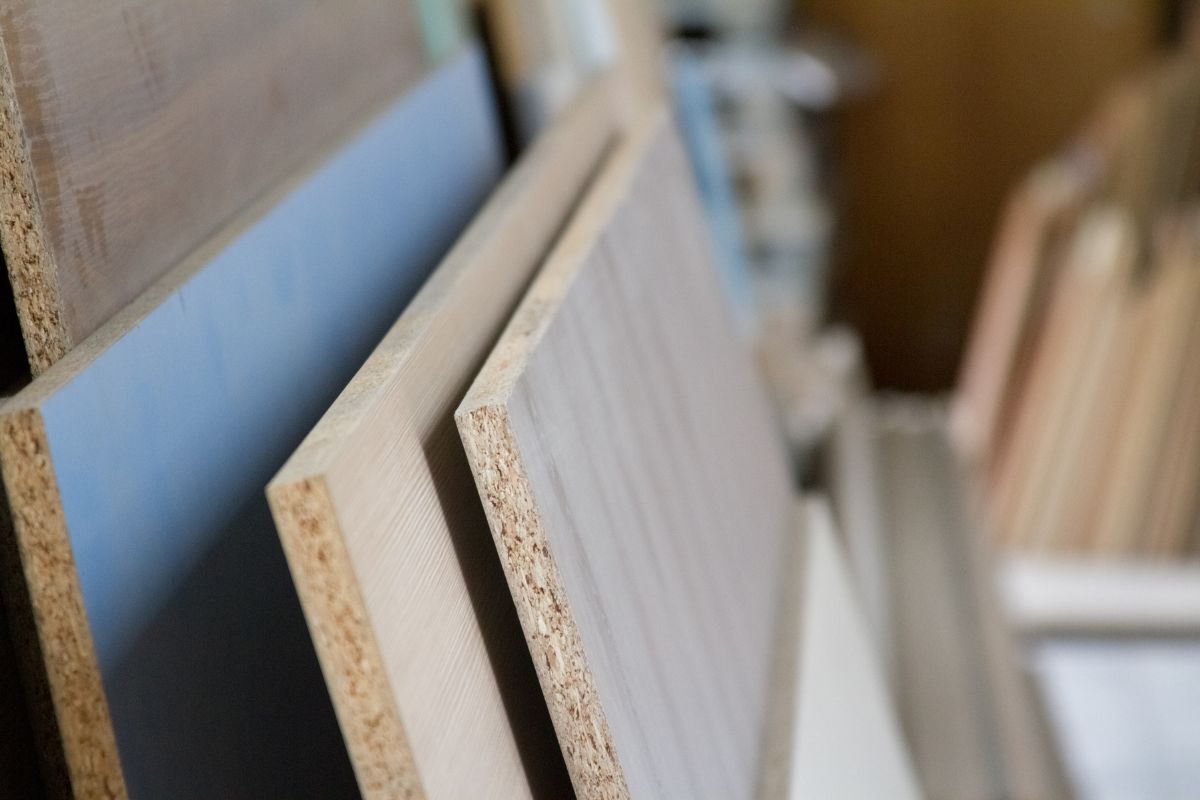
Choosing the right material is one of the most important steps in any building or interior design project. Whether you're planning new shelving, cabinetry, kitchen cabinets, or even particle board flooring, understanding the unique qualities of particle board can help you make the best choice for long-term performance. This guide will help you choose the right particle board by breaking down the different types available, how they’re made, and what you need to know about particle board before committing to a specific product.
What Is Particle Board and Why Is It So Popular?
Particle board is a popular engineered wood product made from wood particles, typically a mixture of fine wood fibers, wood waste, and material made from wood chips. These particles are bound with resin and compressed into sheets, creating a consistent board made from wood that offers strength and durability at an affordable price.
Although not as strong as plywood, many particle board products are cost-effective, easy to work with, and offer a smooth finish suitable for laminate, veneer, and melamine applications. That versatility makes particle board an ideal option for cabinets, furniture, shelving, and a range of other particle board based projects.
Because of how this material is created, each layer of wood particles plays a role in density, surface quality, and moisture resistance. This is why selecting the right type is essential for the longevity of your projects.
Tips for Choosing the Best Particle Board
To help you identify the particle board that best fits your project, consider the following practical steps:
- Assess your project requirements
Think about whether the build is decorative, structural, or load-bearing. - Match the board to the environment
Moisture-resistant particle board is necessary in humid or high-moisture spaces. - Choose the right type of surface
Laminate or veneer finishes can dramatically improve the appearance and durability of your project. - Compare particle board vs plywood
If strength is essential, plywood might be the better choice. If cost and finish matter more, particle board products may be ideal. - Check certifications
Look for formaldehyde emission ratings to ensure a safe result. - Consult a timber specialist
Talking to experts can help you choose the right material based on density, thickness, and application.
Discover the Different Types of Particle Board
When comparing particle board with plywood or mdf, the main differences come down to composition, strength, and durability. Not all particle boards are created equal, so it’s important to know which one is right for your project.
Standard Particle Board
Standard particle board is the most common type and is frequently used in furniture, shelving, and general interior applications. It’s affordable, smooth, and ideal for spaces with low humidity. However, standard particle board may not be resistant to moisture, so avoid using it in areas prone to water exposure.
Melamine Particle Board
Melamine particle board features a laminated particle surface created using decorative melamine sheets. The laminate layer gives it a hard, durable, easy-to-clean finish, making it a popular choice for wardrobes, cabinets, and office furniture.
Veneered Particle Board
Veneered particle products use thin sheets of fine wood to create an elegant finish. This gives you the look of real timber at a fraction of the cost. It’s ideal for feature storage units, desktops, or anywhere you want a natural appearance without the price of solid wood.
Moisture-Resistant Particle Board
Moisture-resistant particle board is designed with water-repellent resin to provide higher moisture resistance. This option is recommended for kitchen cabinets, laundry rooms, and other spaces where humidity levels fluctuate.
Single-Layer and Three-Layer Particle Board
Regular particle board typically comes in two structural styles:
- Single-layer particle: Particles are distributed evenly throughout the board.
- Three-layer particle board: Fine particles on the outer surfaces with coarser wood particles in the core, improving both strength and surface quality.
Selecting the appropriate board for your project requires considering density, surface durability, moisture resistance, and whether your project involves load-bearing elements.
Particle Board vs Plywood vs MDF: Which One Is Right for Your Project?
When choosing the right type of engineered wood, it helps to compare particle board vs plywood vs mdf:
- Plywood is stronger and more resistant to moisture, making it suitable for high-load-bearing applications. It's more expensive but often required in heavy-use spaces.
- MDF is made from wood fiber and offers a very smooth surface, making it ideal for painted finishes and interior cabinetry.
- Particle board is affordable and provides an excellent base for laminate and veneer finishes, which is why it’s widely used for furniture.
Your decision comes down to whether you value cost savings, strength, moisture resistance, or finish quality. No single material is perfect for every build, but understanding each option compared to solid wood or plywood vs particle boards will help you choose the right material.
Applications of Particle Board: Where It Performs Best
Particle board gives homeowners, designers, and builders a flexible material suitable for many interior projects. Common types of applications include:
- Shelving and storage units
- Cabinets and wardrobes
- Kitchen cabinet carcasses
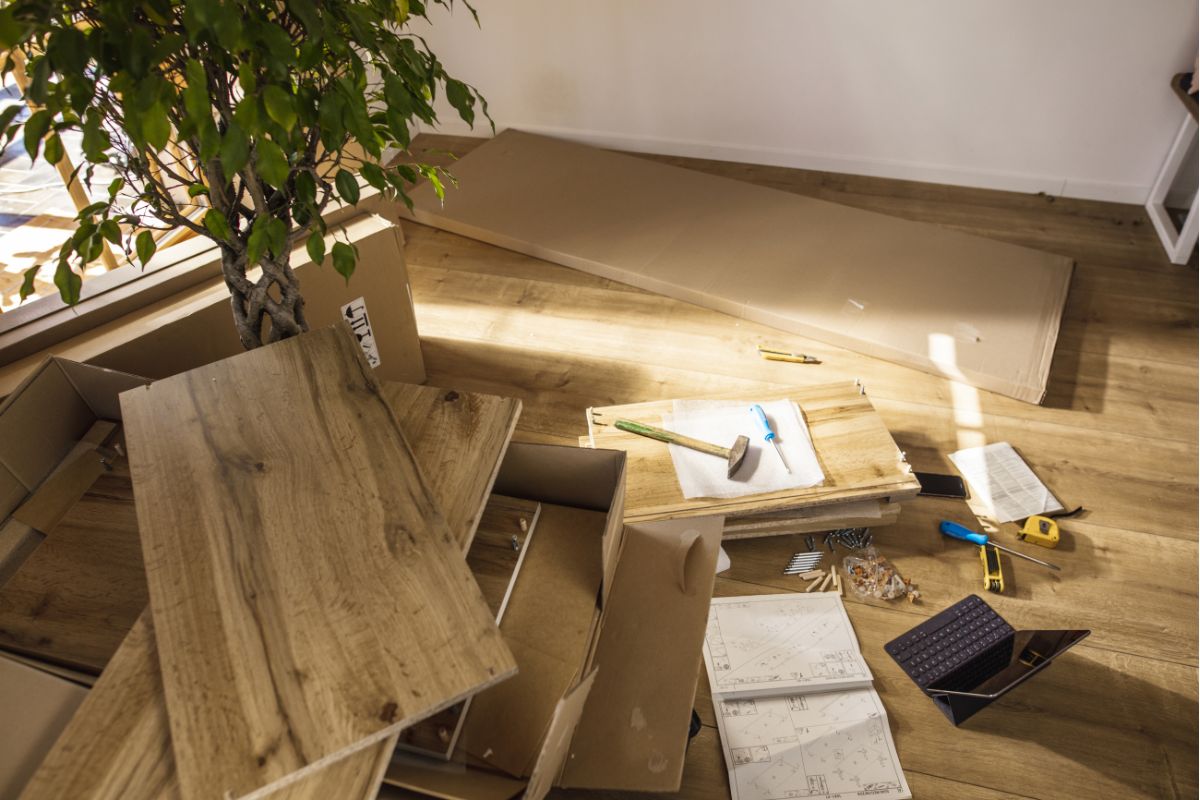
- Flat-pack furniture
- Interior wall panels
- Worktops and vanities (with laminate)
- Particle board flooring
Because particle board is often veneered or laminated, the finish of particle board furniture can look polished and contemporary without the cost of hardwood.
What You Need to Know About Particle Board Performance
When selecting your particle board, think about:
- Density: Higher density often means smoother surfaces and improved durability.
- Resin type: Check for low formaldehyde emission if air quality is a concern.
- Strength and durability: Essential for load-bearing shelves and cabinetry.
- Moisture resistance: Crucial for kitchens, laundries, and bathrooms.
- Right thickness: Thicker boards are better for heavy-use surfaces.
- Longevity: Proper installation and maintaining particle board furniture can significantly extend its lifespan.
High-quality particle board is crucial when precision and durability matter. Investing in the right option ensures your next project meets your performance expectations without unnecessary cost.
How to Choose the Perfect Particle Board
Selecting the right particle board involves considering moisture levels, strength requirements, finishes, and the specific project you’re working on. Because particle board is an ideal material for cabinetry, shelving, and furniture, understanding the advantages of particle board and how different types of particle boards are available will help you make an informed decision.
With the right guidance and materials, you can choose a particle board that meets your project requirements, performs well long-term, and supports a high-quality, cost-effective build.

Related articles

Blog title heading will go here
Blog title heading will go here