
What Is Structural Pine and Framing Timber?
What Is Structural Pine and Why Is It So Widely Used?
If you’re planning a construction project, you’ve probably come across structural pine. It’s one of the most commonly used building materials in Australia, valued for its strength, versatility, and affordability. But what exactly is it, and why is it such a popular choice for construction?
Structural pine is a type of timber specifically graded and manufactured for structural purposes. It’s designed to meet the demands of various construction applications, from wall and roof framing to beams, decks, and other load-bearing structural elements. For builders and designers alike, it offers a reliable balance between performance and practicality.
Understanding Structural Pine as a Construction Material
At its core, structural timber refers to timber used in load-bearing or supporting roles. Pine timber sourced from fast-growing pine trees is processed, graded, and treated to ensure consistent strength and performance.
In Australia, structural pine is typically machine-graded pine, meaning it’s assessed using mechanical testing rather than visual inspection alone. This machine grading process ensures uniform quality, giving builders confidence in its structural integrity.
Because timber is a renewable resource, using pine also supports more sustainable building practices compared to many alternative construction material options.
What Does MGP10 Mean?
One of the most recognised grades is MGP10, short for Machine Graded Pine with a strength rating of 10. MGP10 structural pine is a type of high-quality timber designed to perform reliably in most residential builds.
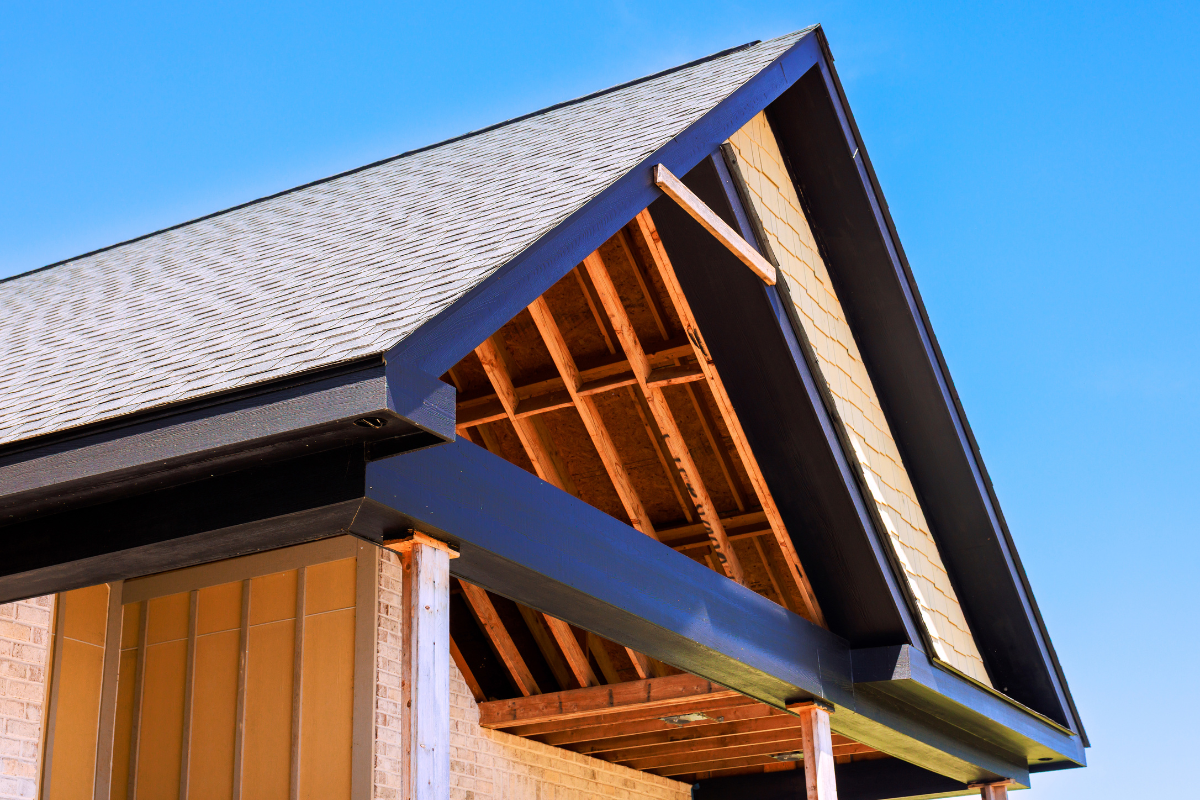
MGP10 timber is mostly used for framing and roofing, including frame construction, wall studs, roof trusses, and joists. The benefits of MGP10 include consistent strength, predictable performance, and suitability for efficient designs in home construction.
When people talk about the uses of MGP10, they’re usually referring to structural framing where strength, accuracy, and cost-efficiency matter most.
Treated Pine and Durability in Australian Conditions
Structural timber can be exposed to moisture, pests, and fluctuating temperatures during and after construction, which is why treated pine is widely specified. Structural pine is often treated to resist decay and insect attack, making it suitable for both internal and outdoor applications.
Modern effective treatment methods used in its manufacturing help ensure pine is treated to resist termites, fungal decay, and termites and rot. In many cases, pine is treated to resist moisture-related issues, improving its durability and resistance to decay.
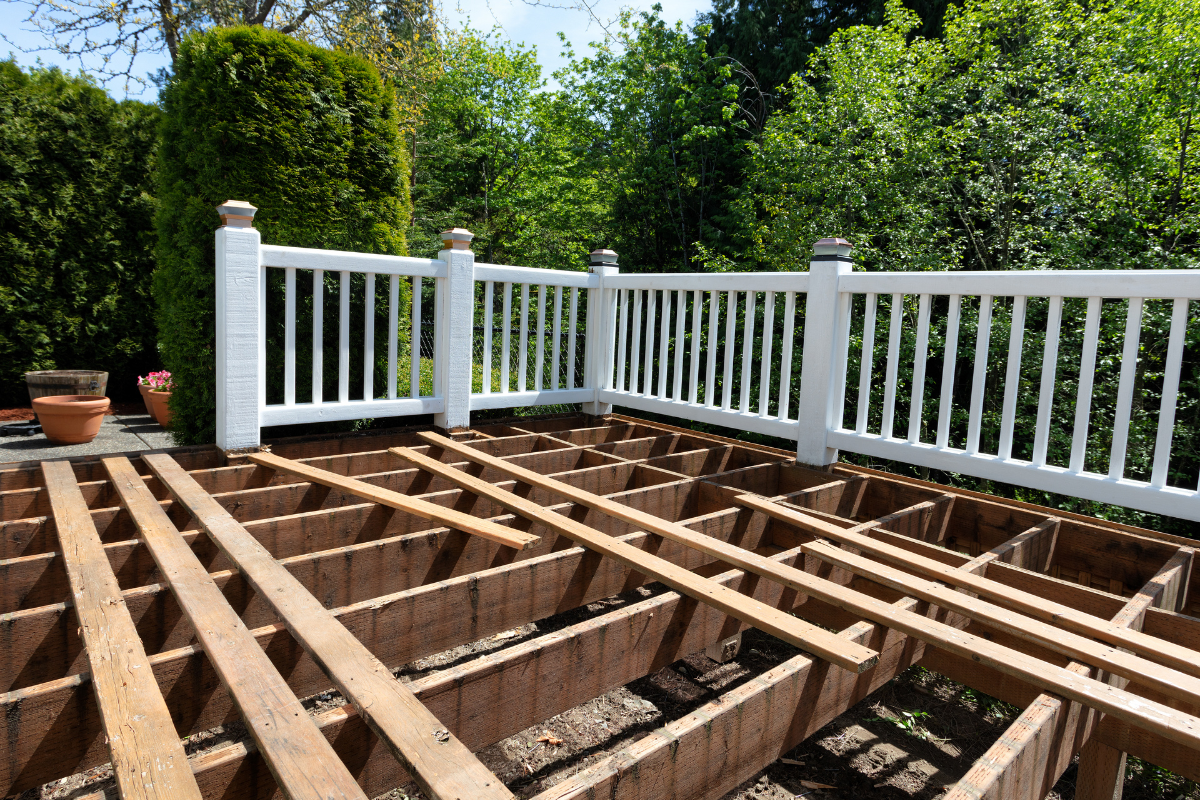
This treatment makes pine that has been treated a reliable option for decks, pergolas, and other exposed structures where untreated traditional timber may struggle.
Where Structural Pine Is Commonly Used
Structural pine has a wide range of applications across both residential and commercial construction. It is used in construction for:
- Wall and roof framing
- Floor joists and roof trusses
- Structural beam elements
- Deck substructures
- Carports and pergolas
- Internal framing and load-bearing walls
Because pine can be used in so many ways, it remains a popular choice for builders working across a variety of construction types.
Structural Pine vs Other Structural Timbers
When comparing structural pine to hardwood or engineered products like laminated veneer lumber (often referred to as like LVL), each has its place. LVL is made from layers of wood and wood veneers, offering high strength for long spans. However, pine often wins on cost, availability, and ease of use.
Structural pine is lighter than many hardwoods, making it easy to transport and handle. This reduces labour time on-site and improves overall build efficiency. Its consistent sizing also makes it ideal for modern construction methods.
For many structural applications, pine offers the best balance of performance and value.
Benefits of Using Structural Pine
There are clear key benefits that make pine a go-to option in timber construction:
Structural pine is strong and durable, yet lightweight enough to be easy to handle and transport. It supports fast, accurate builds and integrates well with materials like steel fixings and engineered connectors.
Because timber is strong relative to its weight, it allows for efficient structural design while remaining cost-effective. For builders looking to make the right choice, pine offers proven reliability and flexibility.
Choosing the Right Structural Timber
Selecting the right timber for specific uses depends on intended use, exposure conditions, and load requirements. Understanding common types of structural timber helps ensure the correct product is specified.
For framing, framing timber such as MGP10 structural pine is often sufficient. For outdoor builds, ensure the pine is treated to resist decay and termites. Consulting experienced timber suppliers can help match the right product to the job.
Working with trusted timber suppliers ensures access to high-quality timber that meets Australian Standards.
Why Structural Pine Remains a Builder Favourite
For decades, pine has been a choice for builders across Australia. Its consistent quality, availability through reliable timber supplies, and suitability for a wide range of structural needs make it a staple in the industry. For a deeper look at its advantages, see our guide, The Benefits of Structural Pine in Construction.
Whether you’re building a new home, extending an existing structure, or planning your next project, choose timber that delivers performance, sustainability, and value.
Structural pine continues to prove why it’s one of the most trusted timber products in Australian buildings today.

Related articles

Blog title heading will go here
Blog title heading will go here